
Vertical Injection Molding Machine Overview
Review the main Deboge machine structure paths, table configuration questions, and project information to prepare before asking for a machine recommendation.
2026-07-13 | MACHINE OVERVIEW | Online reference
This overview helps you organize the first machine discussion with Deboge. It does not replace a project-specific recommendation. The right machine path still depends on product shape, material, mold structure, loading method, output target, and automation plan.
What This Overview Covers
A vertical injection molding project usually starts from three practical questions:
- What clamping structure is needed?
- What injection direction and table configuration fit the mold and loading workflow?
- What project information should be prepared before requesting a recommendation?
Deboge machine pages separate these questions into machine structures, table configurations, production requirements, and applications. Use this overview to decide which pages to review first.
Machine Structure Paths
Deboge organizes machine discussion around structure instead of only model names.
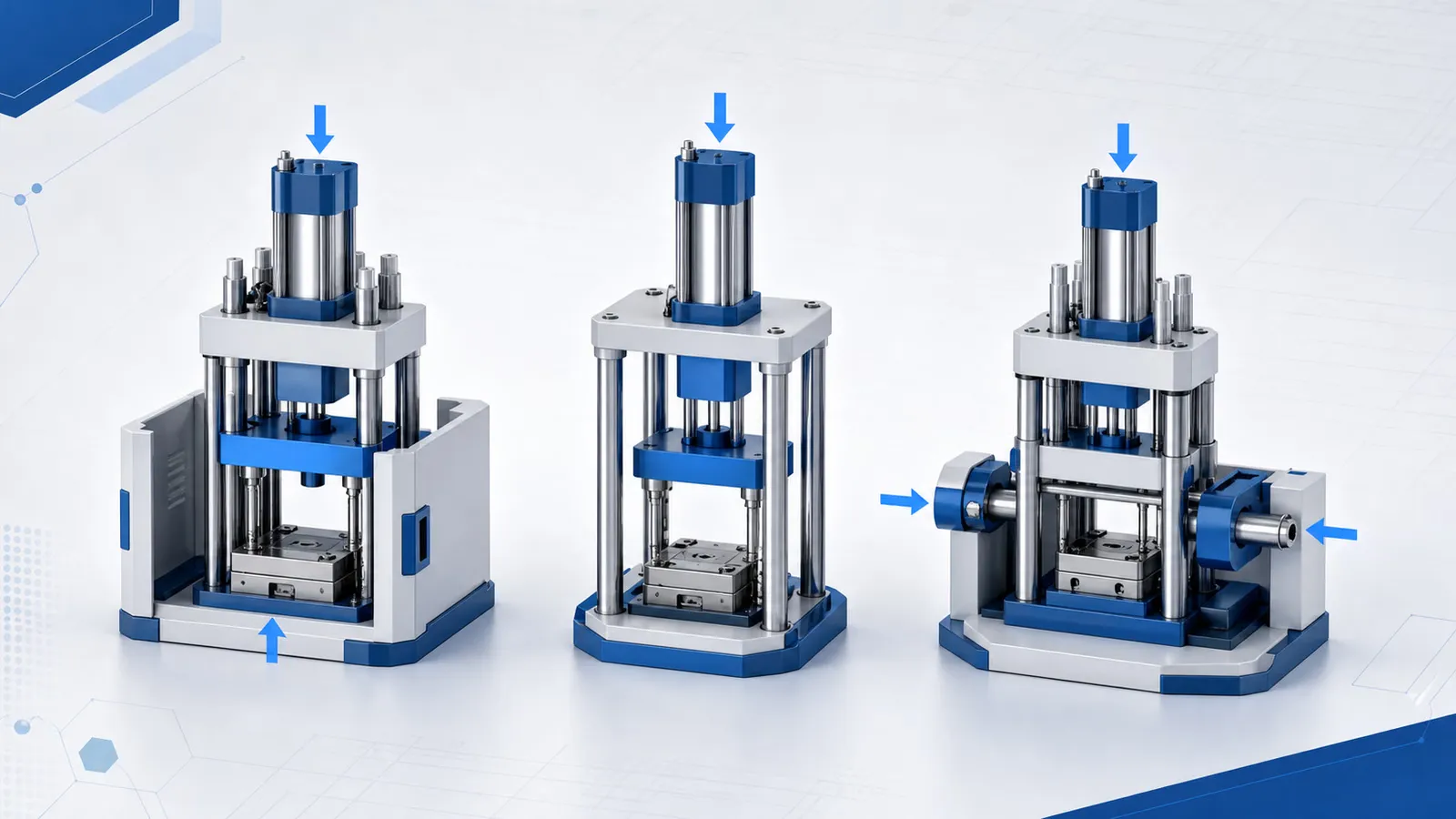
- Standard vertical injection molding machines: vertical clamping with vertical injection, often reviewed for common insert molding and compact vertical molding projects.
- Tie-bar-less vertical clamping machines: vertical clamping with open mold access. Injection direction depends on configuration and must be confirmed for the project.
- Vertical clamping horizontal injection machines: vertical clamping with horizontal injection, useful when side injection, larger shot size, or a different barrel layout needs review.
The structure should be discussed together with the mold, not chosen only from a product name.
Table Configuration Questions
Table configuration affects loading access, cycle rhythm, part removal, and automation planning.
- Fixed platen can be considered when loading and part removal are simple.
- Slide table can help when the operator or fixture needs better access outside the clamping area.
- Rotary table can be reviewed when loading, molding, and unloading need a repeated rhythm.
For insert molding, overmolding, cable connector projects, and thermoset applications, table choice is often as important as clamping force or injection layout.
What to Prepare Before Contact
Prepare product drawings or photos, material information, mold size or concept, cavity count if known, insert loading method, part removal method, target output, and whether automation is planned now or later.
If some information is not final, mark it as under review. A clear project package helps Deboge discuss the right direction without guessing.
Useful Next Pages
How to Use This Document
This online document helps you prepare a clearer machine discussion. Formal catalogs, datasheets, drawings, and project-specific technical documents should be requested with product, material, mold, and production details.
Related Reading
Need a Document for a Specific Machine or Project?
Send the product, material, mold status, production target, and document purpose. Deboge can confirm which catalog, overview, or technical material fits the discussion.