
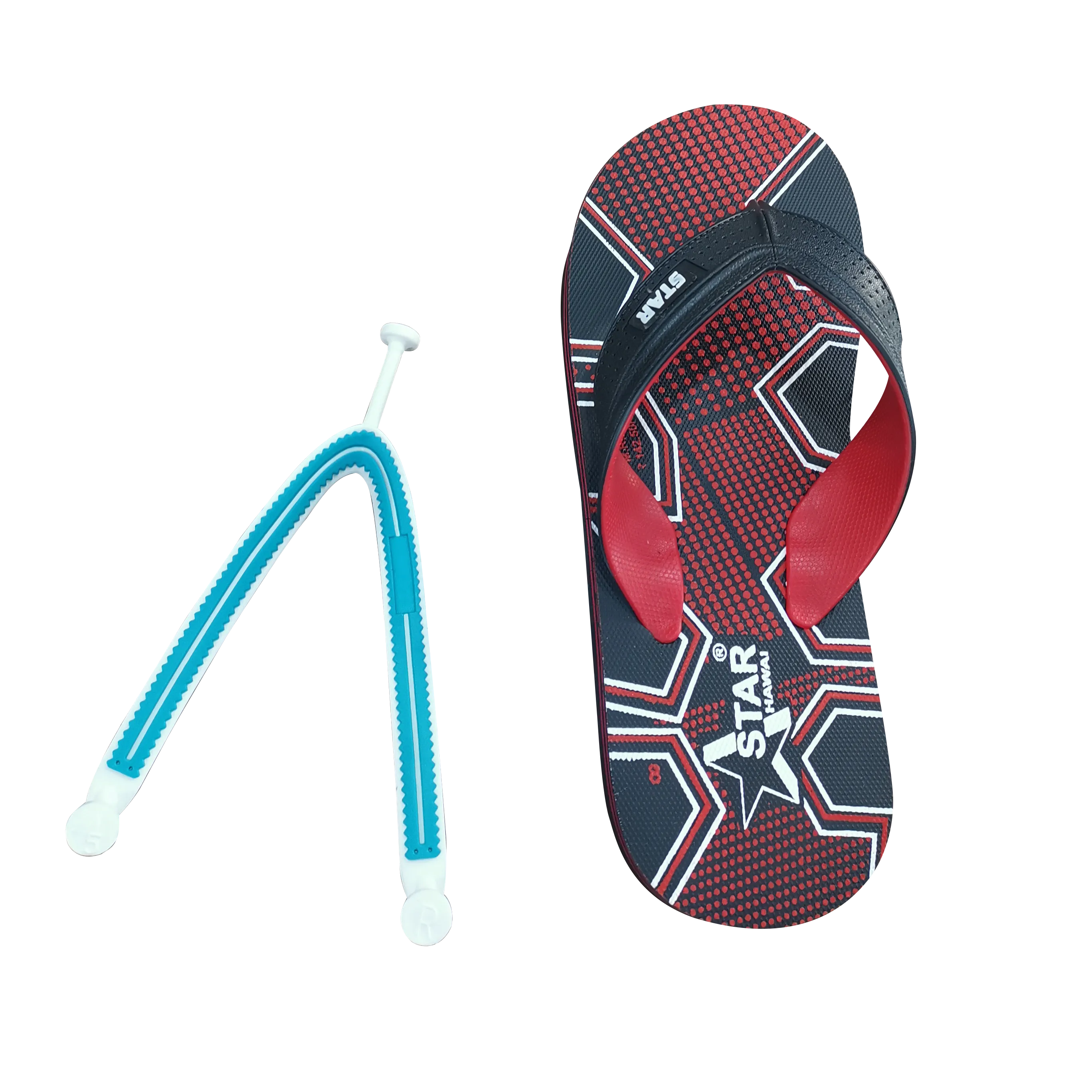
Footwear Components
Footwear manufacturing involves multi-material components - soles, midsoles, shanks, and structural inserts - that must bond reliably. Vertical injection molding machines with slide table configurations provide accessible mold loading for insert placement and multi-layer construction.
DA Series vertical machines can be reviewed for footwear component molding. Slide table configuration is commonly considered when insert placement or part handling needs accessible mold access.
Application Overview
Footwear component molding with vertical injection machines
The process
Pre-formed inserts - textile layers, shanks, or foam cores - are placed into the lower mold. The vertical clamp closes from above, holding them in position. Plastic or TPU is injected, bonding to the insert, and the finished footwear component is ejected after cooling.
This produces multi-material footwear parts - soles with structural inserts, multi-density midsoles, and reinforced heel counters - in a single molding cycle without secondary bonding or assembly.
Why vertical clamping for footwear parts
Footwear components often combine rigid and flexible materials. Slide table configurations on vertical machines provide accessible mold loading for:
- Multi-layer sole construction - foam core + rigid outer layer
- Metal or composite shank insert placement for arch support
- Textile and fabric integration for upper-to-sole bonding
- Accessible mold area for manual placement of complex insert layers
Common Challenges
Production challenges in footwear component molding
Footwear production involves multi-material integration, insert handling, and efficient workflow - the right machine configuration addresses all three.
Product structure complexity
Footwear components range from simple single-material soles to complex multi-layer assemblies with fabric, foam, and rigid inserts. Each product structure requires evaluation of mold design, material flow, and insert placement method.
Insert placement workflow
Footwear inserts - fabric layers, foam cores, metal shanks - must be loaded accurately and quickly. Slide tables move the lower mold out for accessible, ergonomic loading. The operator confirms placement before the mold returns to the clamp area.
Material bonding between layers
Different footwear materials - TPU, EVA, PP - must bond reliably at their interfaces. Proper injection temperature, clamp force, and cooling time are critical for repeatable bonding quality.
Configuration Review
Recommended machine configuration for footwear components
Starting points - final selection depends on part structure, insert type, material, mold design, and production volume.
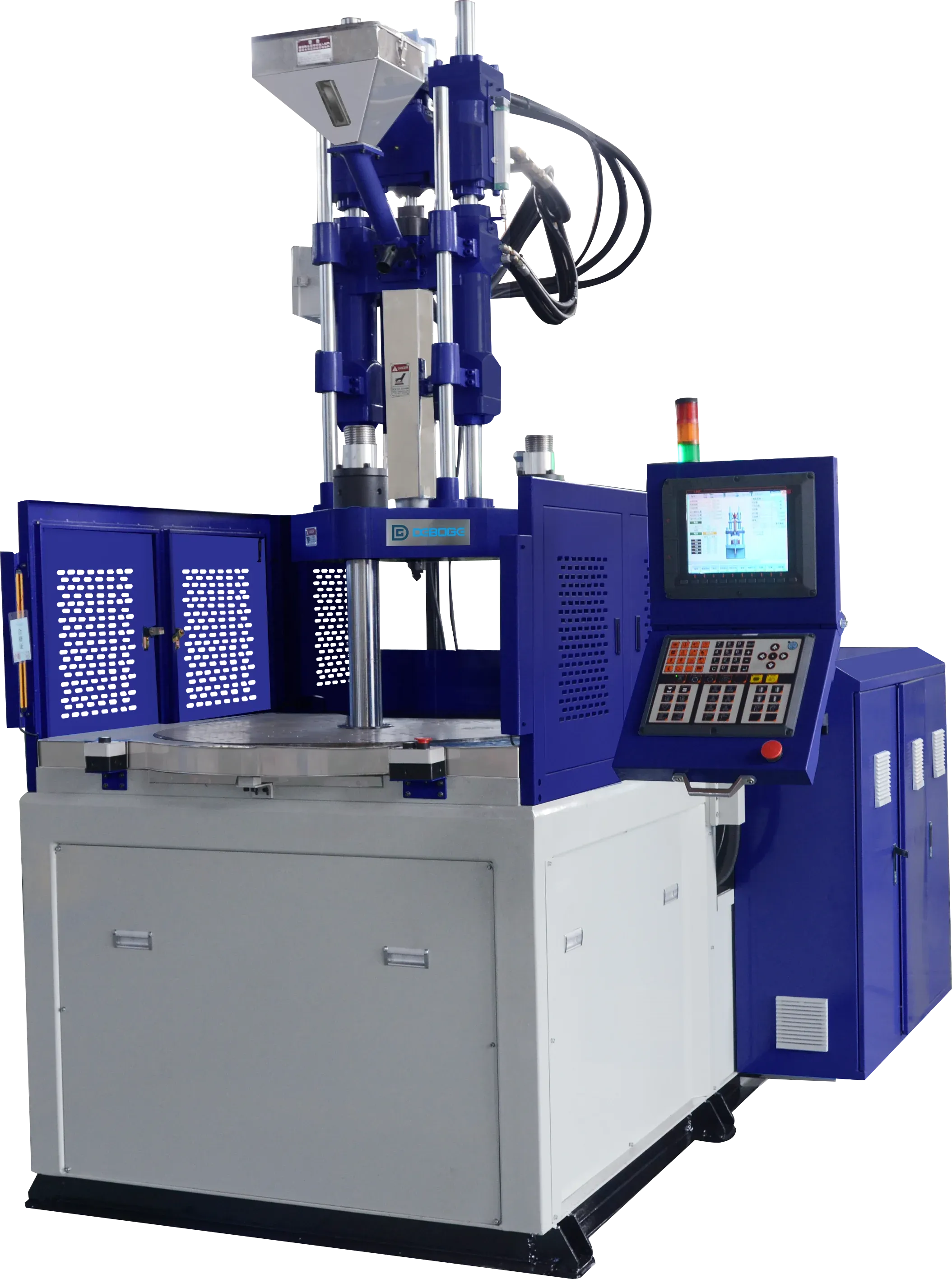
Machine series
DA Series
Standard vertical clamping + vertical injection. Covers footwear sole, midsole, and structural component molding. Fixed, slide, or rotary table. 15T-800T.
View DA Series →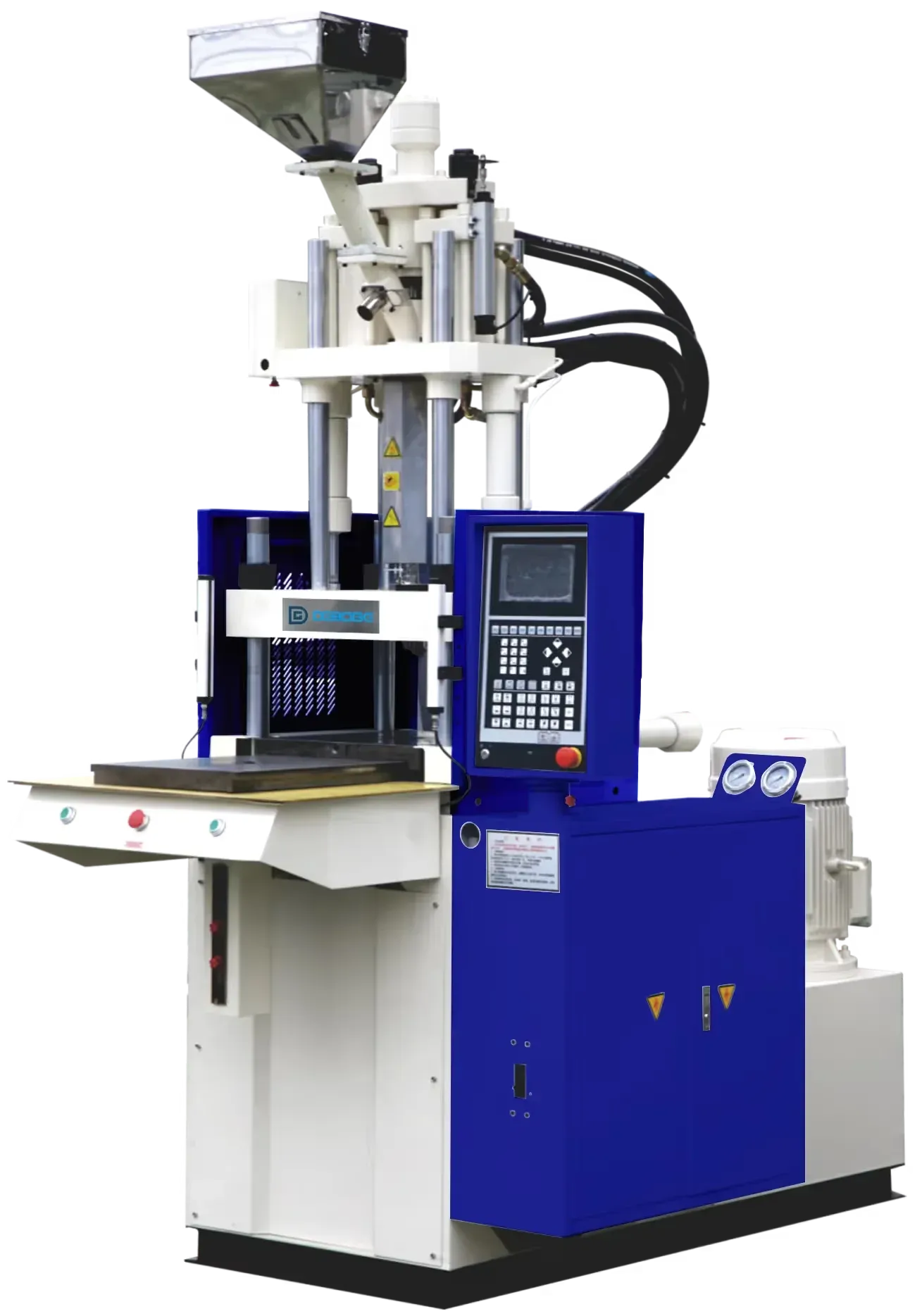
Table configuration
Slide table
Lower mold slides out for accessible insert placement. Commonly preferred for footwear - single or double slide depending on volume.
View Slide Table Machines →Machine size must be confirmed from project data - Review projected mold area, cavity count, material, part thickness, and mold structure before selecting tonnage.
Materials
Typical materials for footwear components
Footwear material selection balances durability, flexibility, weight, and cost - each material has specific processing requirements on vertical injection machines.
TPU (Thermoplastic Polyurethane)
Common for durable outsoles, heel counters, and structural components. Abrasion resistance, flexibility, and hardness range should be selected from the supplier material data.
EVA (Ethylene Vinyl Acetate)
Lightweight, cushioned material for midsoles and comfort footwear. Good shock absorption. Can be foamed for reduced density. Requires specific mold temperature and cooling control.
PP (Polypropylene)
Structural shanks, heel counters, and rigid support components. Good chemical resistance and fatigue strength. Cost-effective for high-volume production of footwear structural parts.
TPE (Thermoplastic Elastomer)
Flexible sole components, cushioning elements, and soft-grip surfaces. Bonds well to PP and TPU substrates. Good for multi-material footwear designs.
PA (Nylon)
High-wear structural parts - cleat plates, sport shoe chassis components, and mechanical fastening systems. Good strength-to-weight ratio and impact resistance.
Rubber / TPR
Traditional outsole and work-boot material. High slip resistance and durability. Processing requirements differ from thermoplastics - application review needed for machine configuration.
Products
Typical footwear molded products
From athletic to industrial footwear - these product categories represent common footwear component applications on vertical injection machines.
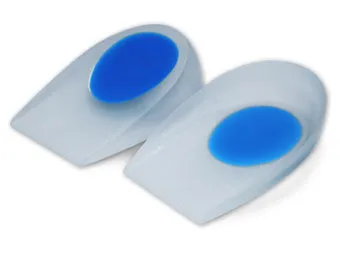
Outsoles & sole units
Single and multi-density TPU, rubber, or TPR outsoles with integrated tread patterns.
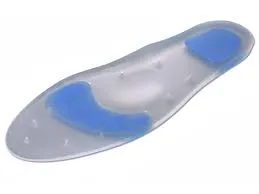
Midsoles & cushioning
EVA and PU midsoles with integrated support structures for athletic and comfort footwear.
Heel counters & shanks
Rigid PP or TPU structural components with potential metal or composite insert integration.
Multi-material assemblies
Integrated sole systems combining rigid and flexible materials in a single molding cycle.
Related Machines and Resources
FAQ
Footwear components - frequently asked questions
Why use a vertical injection molding machine for footwear components?
Which table configuration is recommended for footwear production?
How should machine size be reviewed for footwear molding?
Which machine series is commonly reviewed?
What materials are used for footwear components?
Can multi-material footwear production be reviewed?
How do I discuss machine configuration for footwear molding?
Tell us about your footwear molding application
Discuss machine configuration for footwear component production
Send your part design, material specifications, insert type, mold dimensions, and target production volume. The engineering team can review the project data and discuss a suitable configuration path.