
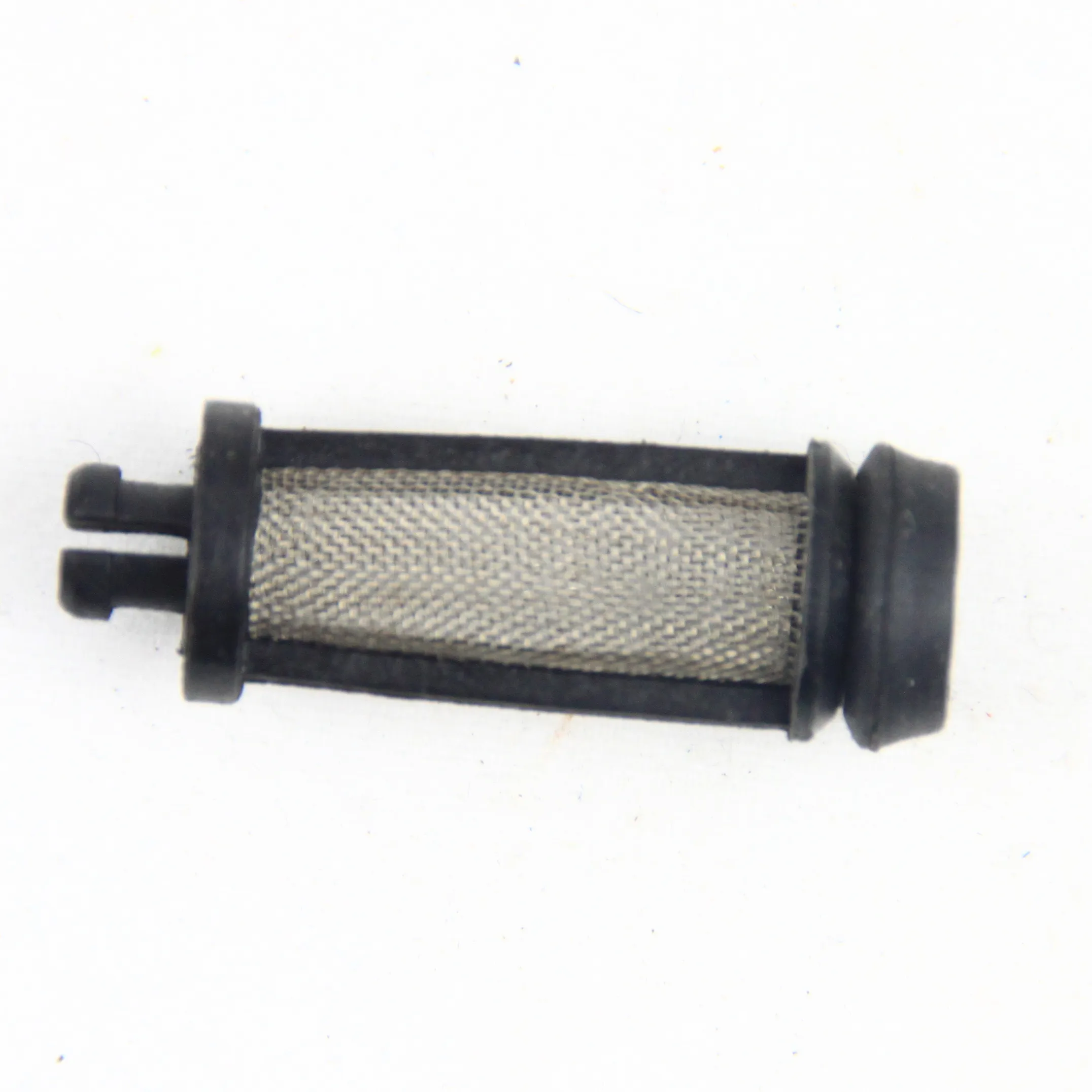
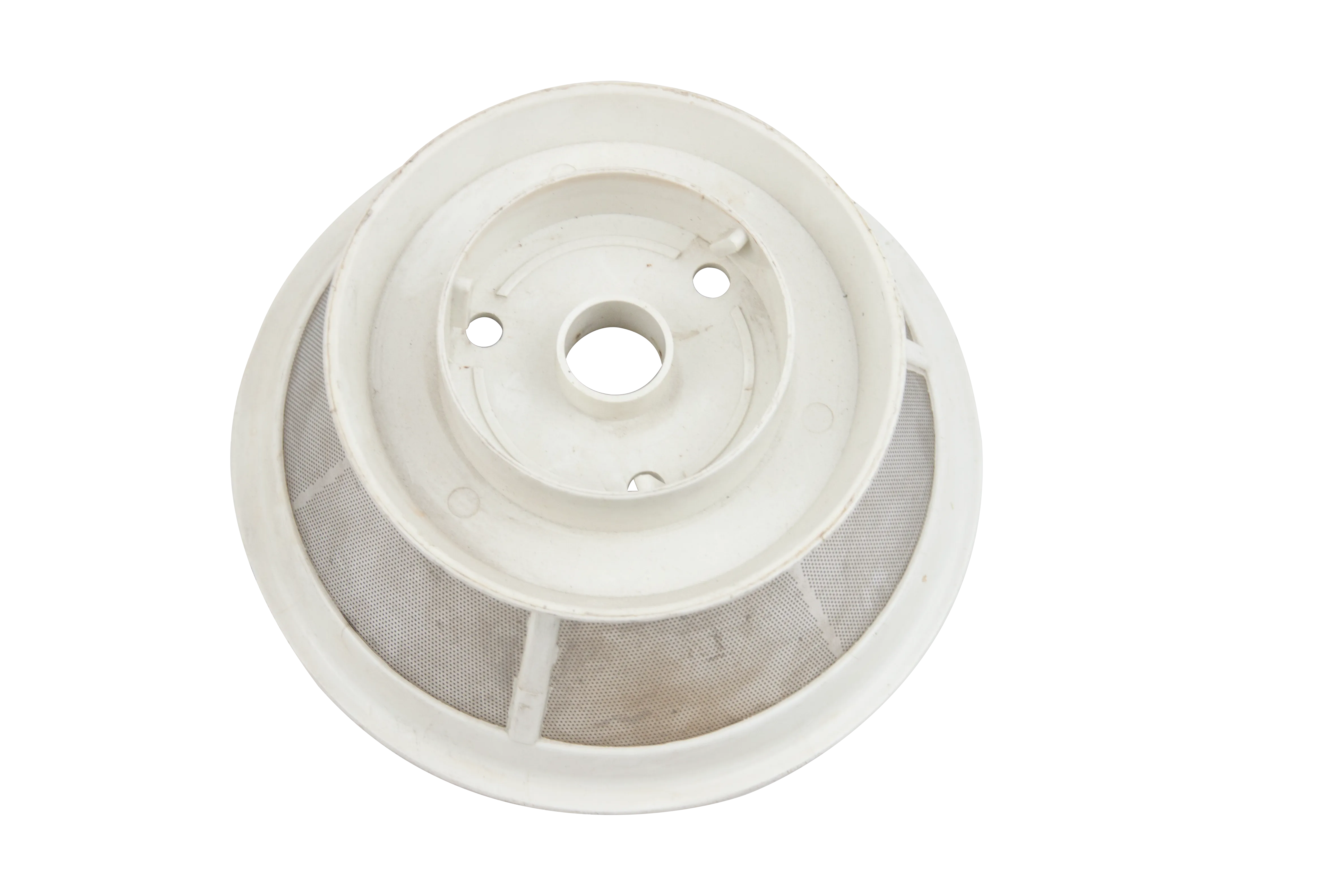
Filters Molding
Filter housings, cartridges, and mesh-overmolded filter components require precise insert placement and complex mold geometries. Vertical injection molding machines with slide or rotary table configurations provide accessible loading for filter media inserts.
DA Series vertical machines can be reviewed for filter molding. Slide or rotary table configuration depends on filter type, media insert handling, mold design, and production volume.
Application Overview
What is filter molding and why use a vertical machine?
The process
Filter media (mesh, membrane, non-woven) is placed into the lower mold. The vertical clamp closes, plastic is injected around the media edge, bonding it to the housing or frame. After cooling, the finished filter component is ejected - media sealed, assembly complete.
This integrates the filter media into the plastic component in a single molding cycle, eliminating secondary bonding, welding, or adhesive assembly steps. The result is a sealed, structurally integrated filter ready for use.
Why vertical clamping matters
Filter media is delicate and must stay flat during mold closing. Vertical clamping provides even pressure distribution, keeping the media in position throughout the injection sequence. Slide tables let the operator place and verify media position at a loading station before the mold enters the clamp area. This matters for:
- Mesh or membrane media that must remain flat and wrinkle-free during injection
- Overmolding where the media edge must be fully encapsulated by plastic for a reliable seal
- Multi-layered filter assemblies where each layer must stay aligned during mold closing
- Accessible mold area for manual media placement and visual inspection before each cycle
Common Challenges
Production challenges in filter molding
Filter media placement, mold design for complex geometries, and cavity layout determine part quality and production efficiency.
Filter media insert placement
Filter media (mesh, membrane, non-woven) must stay flat and properly positioned. Vertical clamping holds the media in place during mold closing. Slide tables allow the operator to confirm media placement before the mold enters the clamp area.
Mold design for complex geometries
Filter housings often have complex internal flow channels, threaded ports, and multi-part assemblies. Mold design must account for media insert placement, material flow around the media edge, and consistent sealing. The engineering team can discuss mold and machine fit after reviewing filter specifications.
Multi-cavity layout for smaller filters
Small filter components (cartridges, inline filters) often run in multi-cavity molds. Rotary tables support efficient multi-station production - load media at one station while another molds. Tonnage must be sufficient for the combined projected area of all cavities.
Configuration Review
Recommended machine configuration for filter molding
Starting points based on common patterns. Final selection depends on your filter type, media specifications, mold design, material, and production volume.
Machine series
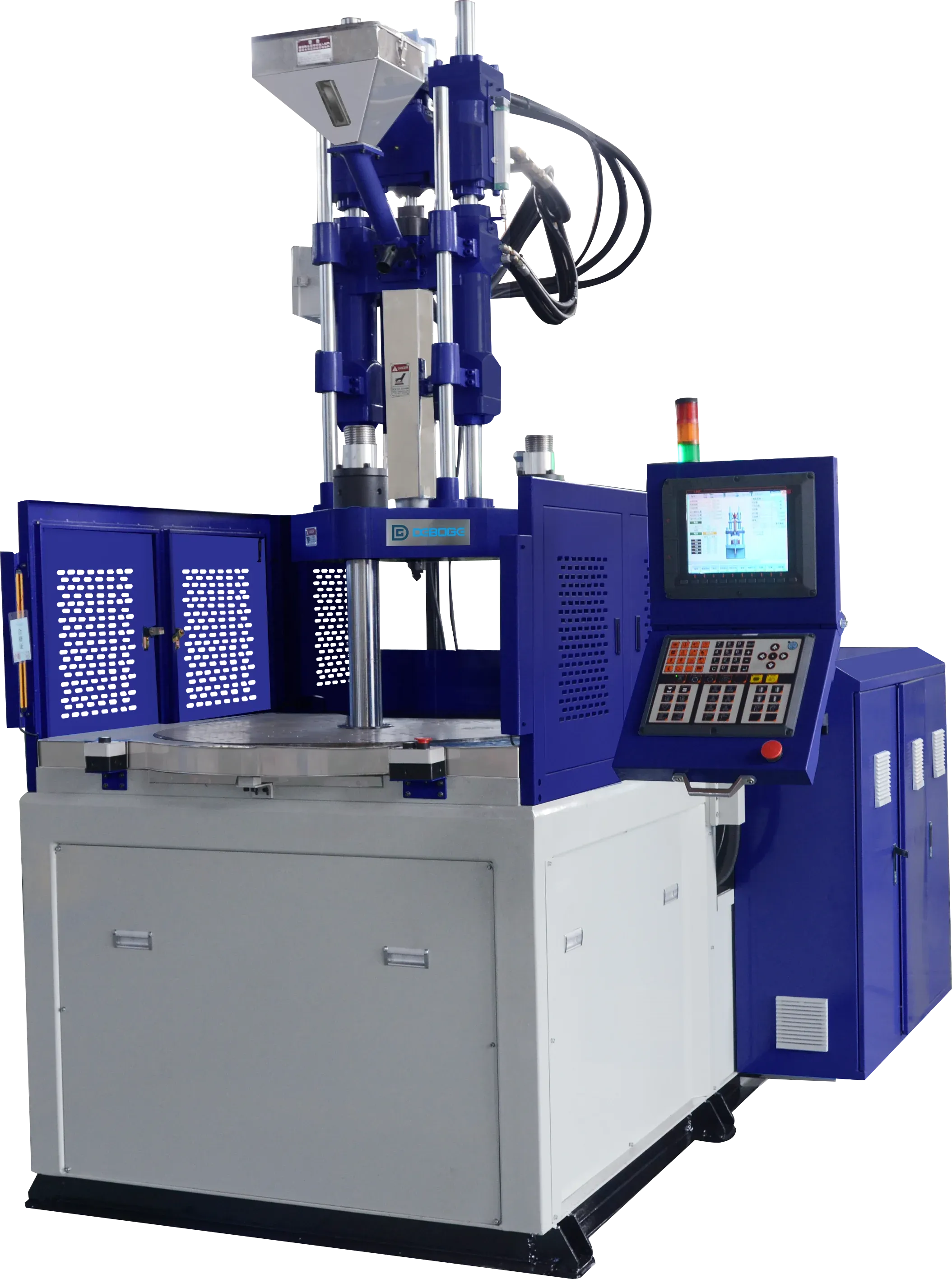
DA Series
Standard vertical clamping + vertical injection. Covers filter housings, cartridges, and mesh-overmolded components. Slide or rotary table. 15T-800T.
View DA Series →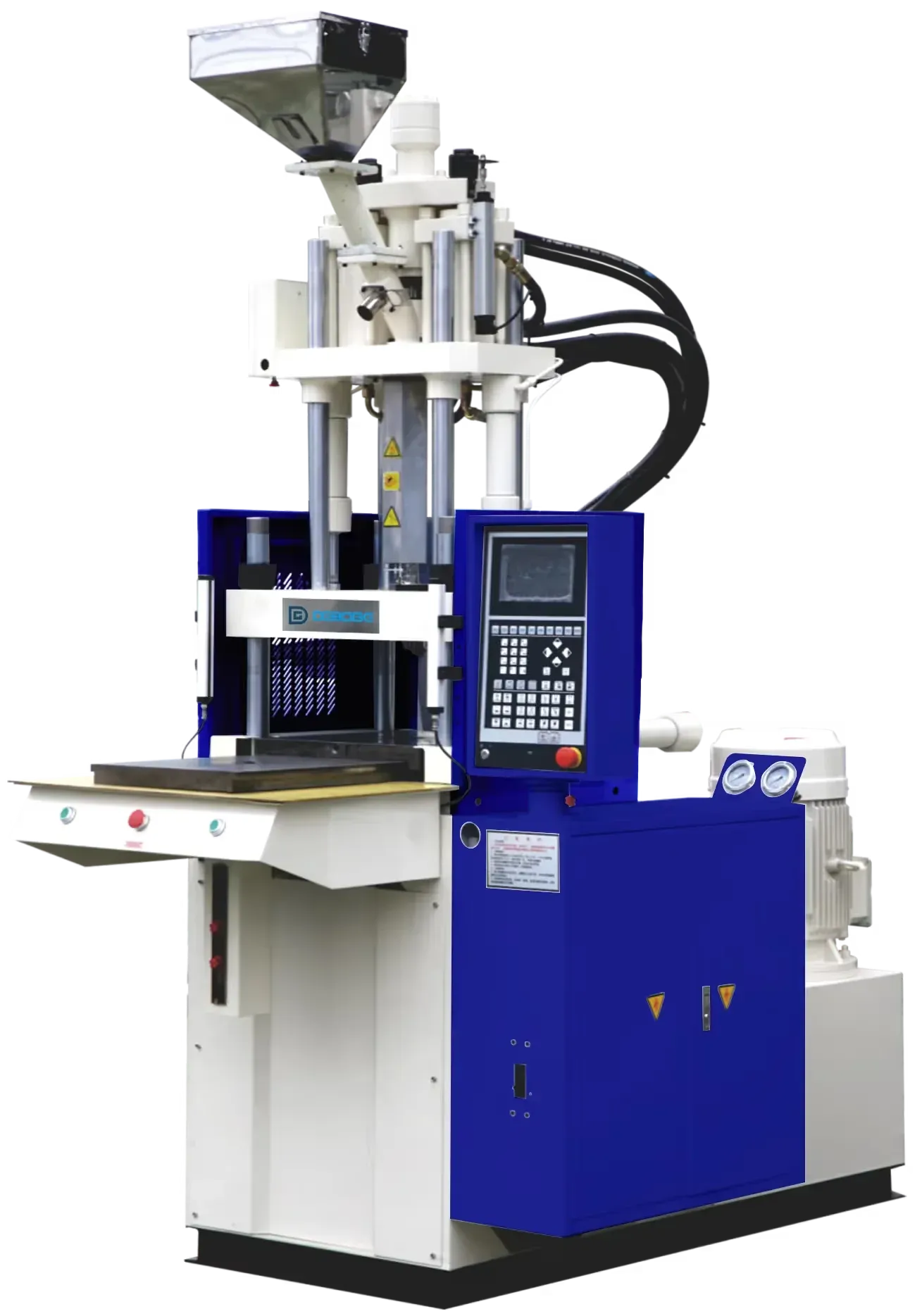
Table configuration
Slide table
Lower mold slides out for accessible filter media placement. Commonly preferred for filter molding.
View Slide Table Machines → Table configuration
Rotary table
Multi-station rotating table. Load media at one station, mold at another. Suits higher-volume filter production.
View Rotary Table Machines →Machine size must be confirmed from project data - Review filter size, cavity count, material behavior, media insert layout, and projected mold area before selecting tonnage.
Materials
Typical materials for filter molding
Selection depends on chemical compatibility with the filtered medium, operating temperature, mechanical requirements, and regulatory standards for the end application.
PP (Polypropylene)
Common for filter housings. Good chemical resistance across a wide pH range. Cost-effective for high-volume production of water and chemical filter components.
PA66 (Nylon)
Structural filter bodies requiring good mechanical strength and heat resistance. Suitable for automotive and industrial filter applications with elevated operating temperatures.
POM (Acetal / Delrin)
Precision filter components - low friction, high dimensional stability, good wear resistance. Suitable for filter assemblies with moving or sliding components.
PE (Polyethylene)
Water filter housings - good environmental stress crack resistance. Common in residential and commercial water filtration systems requiring long-term durability.
ABS
Consumer filter housings - good surface finish and impact resistance. Suitable for visible filter components in appliances and consumer products.
PBT
Industrial filter components - good chemical and heat resistance. Suitable for automotive fuel filters, oil filters, and industrial process filtration.
Products
Typical filter molded products
From consumer water filters to industrial process filtration - these product categories represent common filter molding applications on Deboge vertical machines.
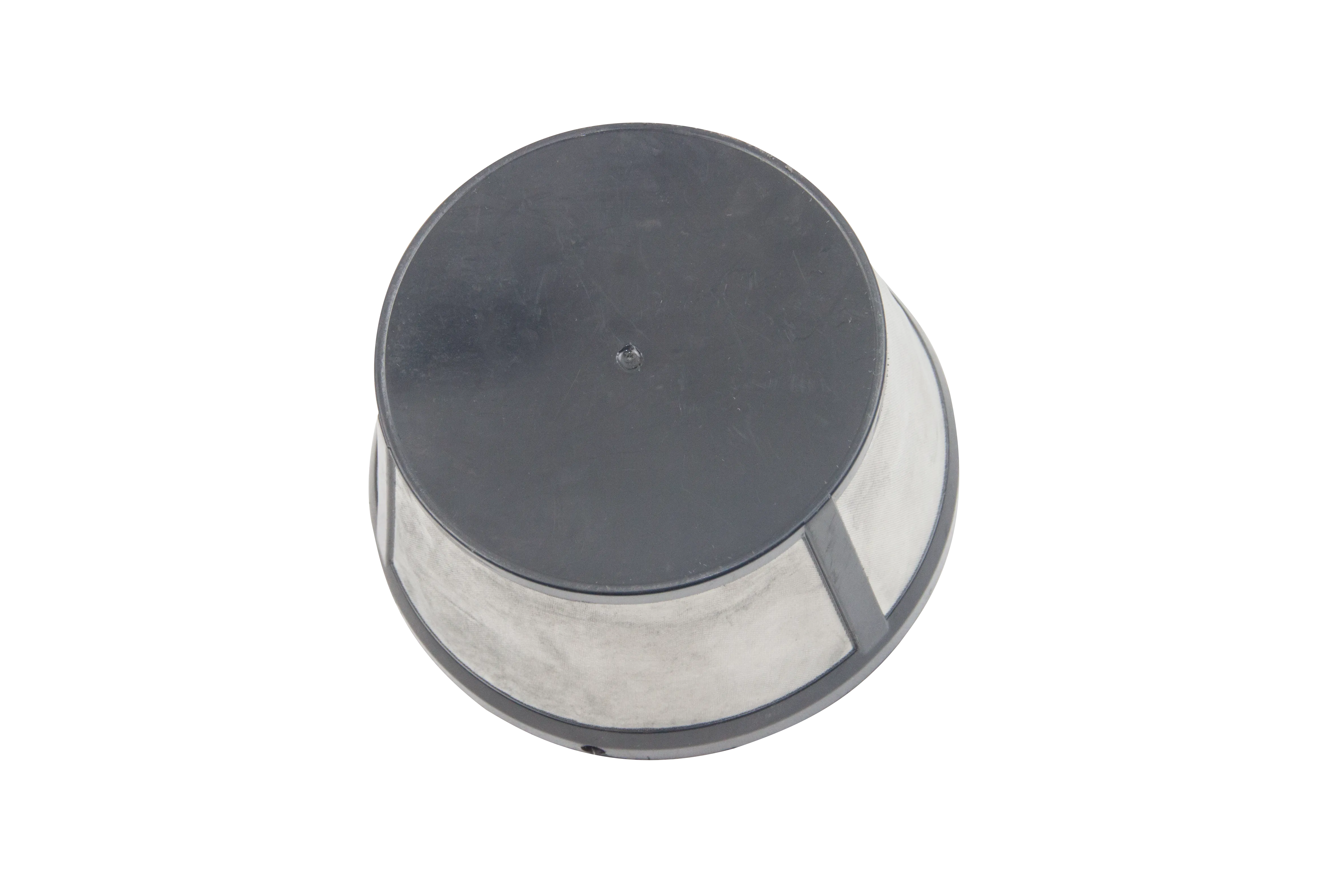
Filter housings & bodies
Complete filter housings with threaded ports, mounting features, and integrated flow channels.
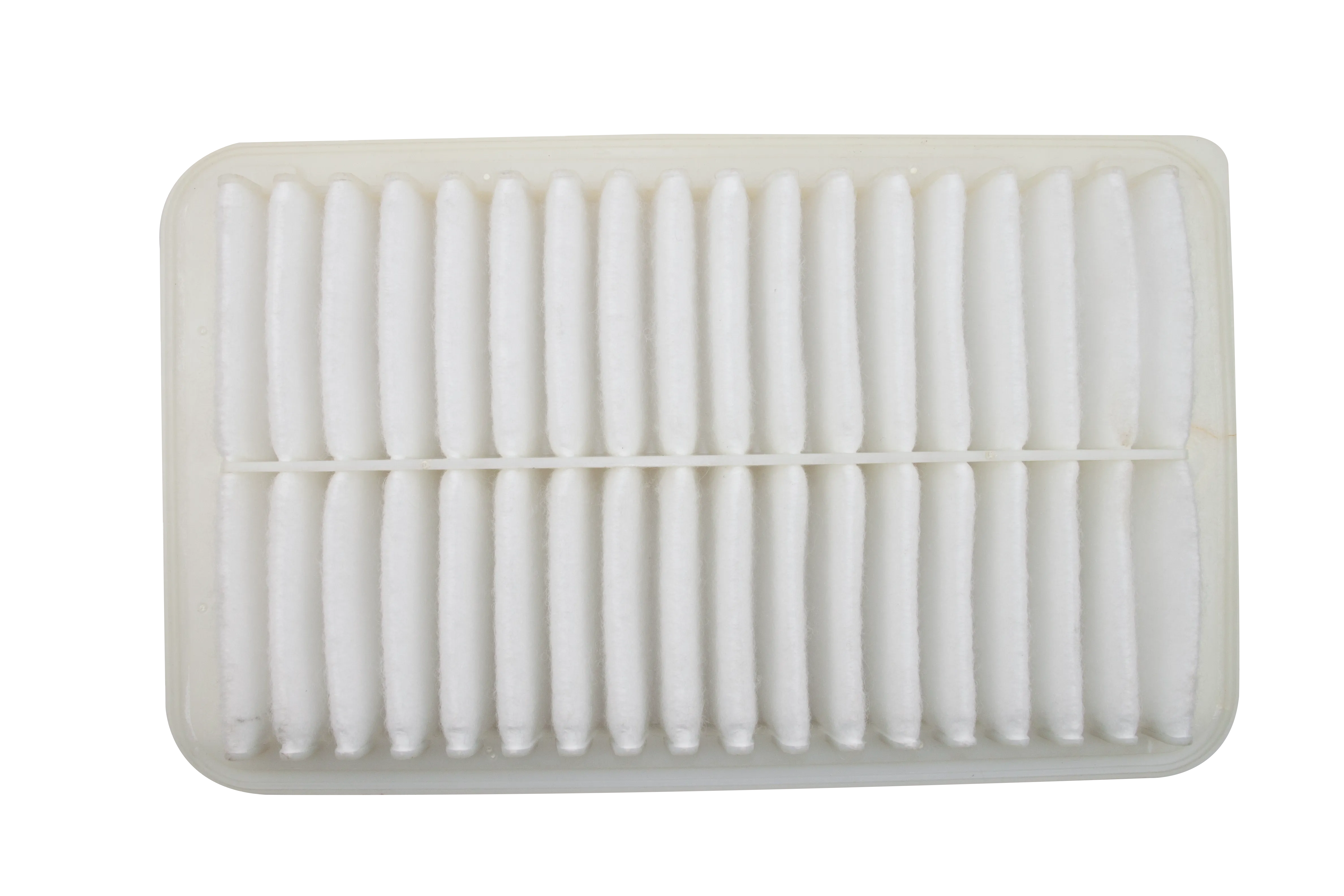
Filter cartridges
Cylindrical filter cartridges with molded end caps and media support structures.
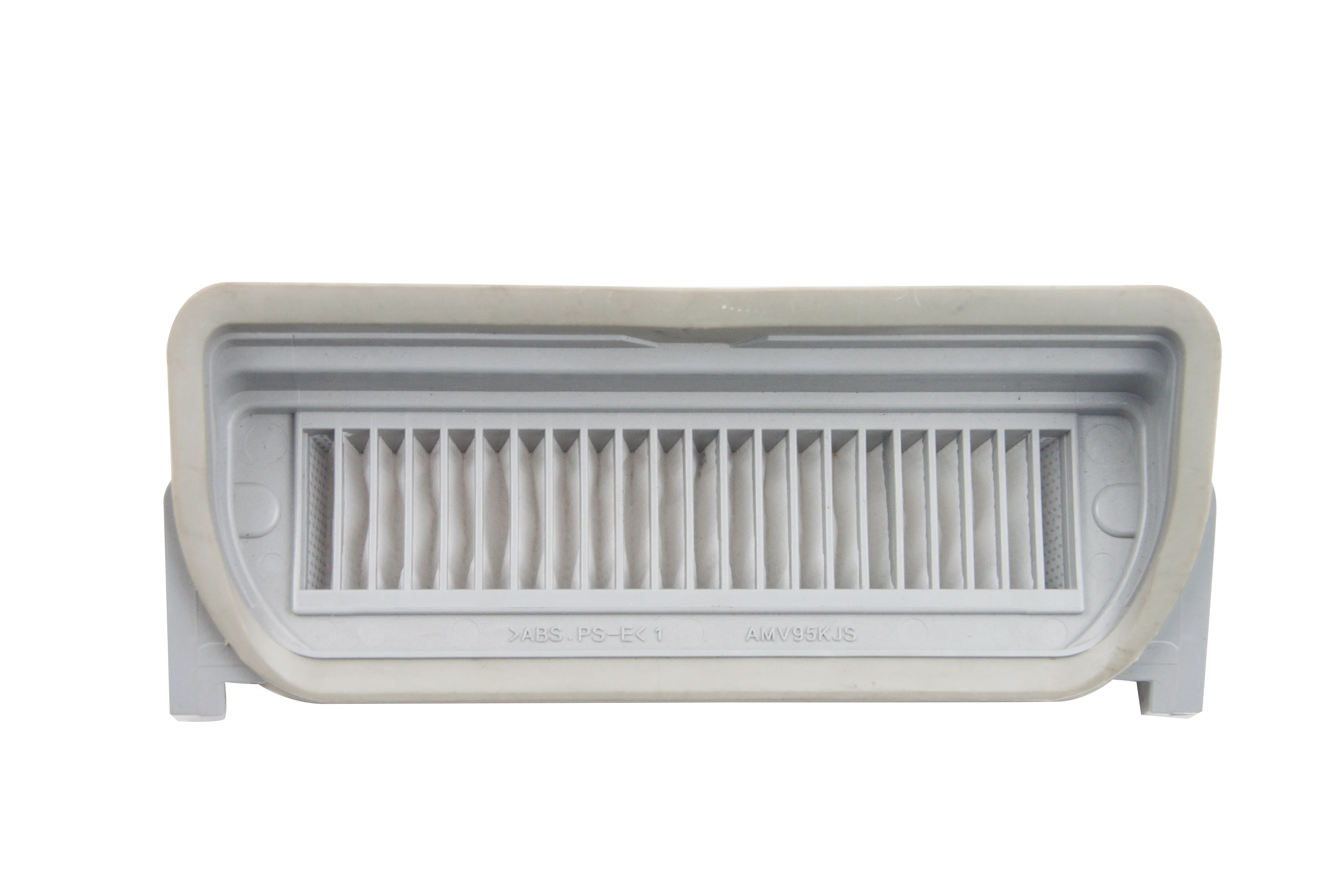
Water filtration components
Water filter vessels, manifold connections, and filtration system housings.
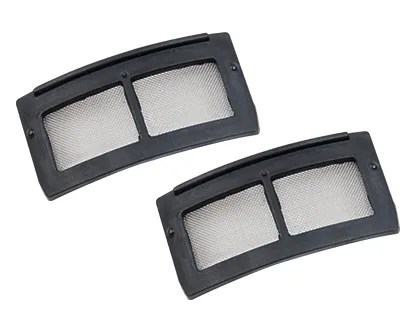
Mesh-overmolded filters
Filter mesh or screen media bonded to plastic frames in a single molding cycle.
Related Machines and Resources
FAQ
Filters molding - frequently asked questions
Why is a vertical injection molding machine used for filter molding?
Which table configuration is recommended for filter molding?
How should machine size be reviewed for filter molding?
Which machine series is commonly reviewed for filter molding?
What types of filter components can be molded on Deboge vertical machines?
What materials are commonly used in filter molding?
How do I discuss machine configuration for filter molding?
Tell us about your filter molding application
Discuss machine configuration for filter production
Send your product details, filter type, media specifications, mold dimensions, and production volume. The engineering team can review the project data and discuss machine series, table configuration, and machine-size direction.