
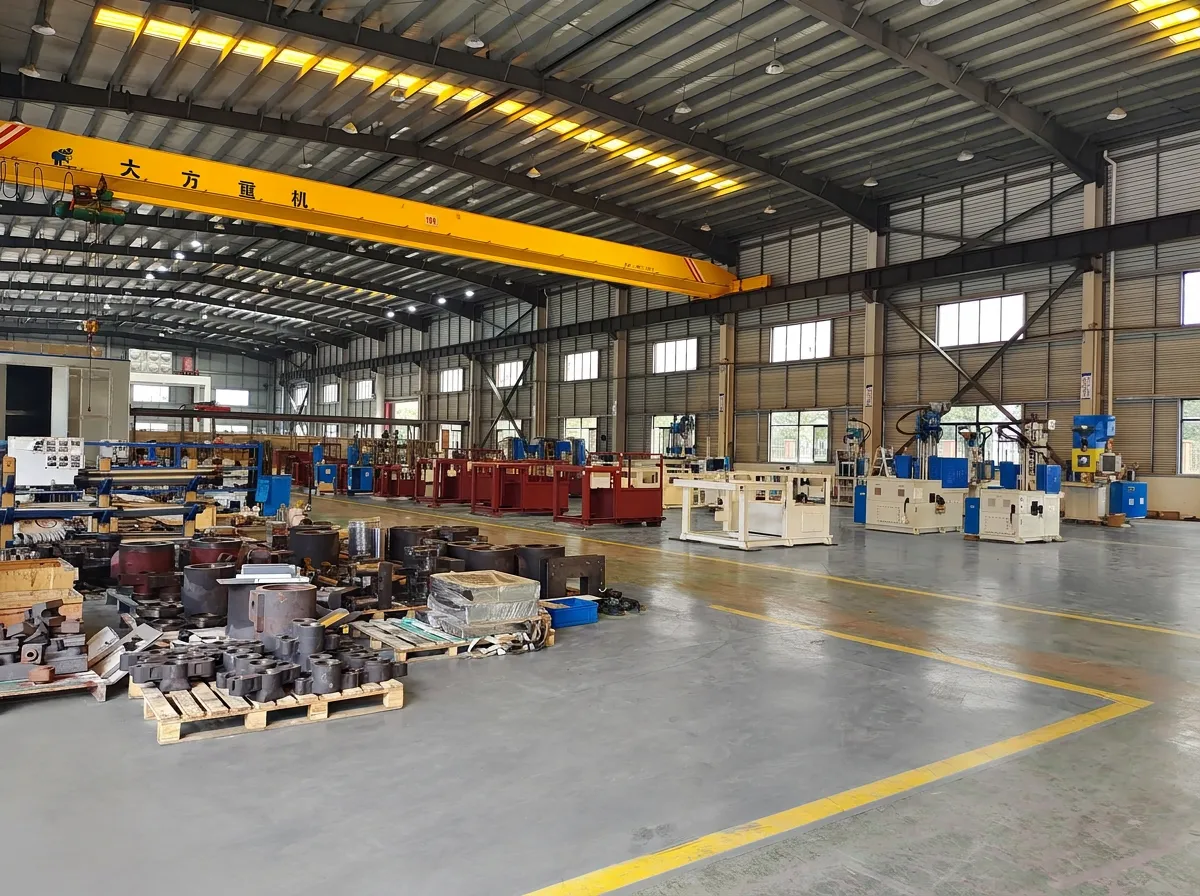
Vertical Injection Molding Machines
Start here to compare machine structures, table configurations, insert loading methods, and production requirements before requesting a recommendation.
Machine Structure
Three platforms,
one decision
From standard vertical injection to open-area clamping and horizontal injection for larger parts — the right starting point depends on your molded component and how inserts are loaded.
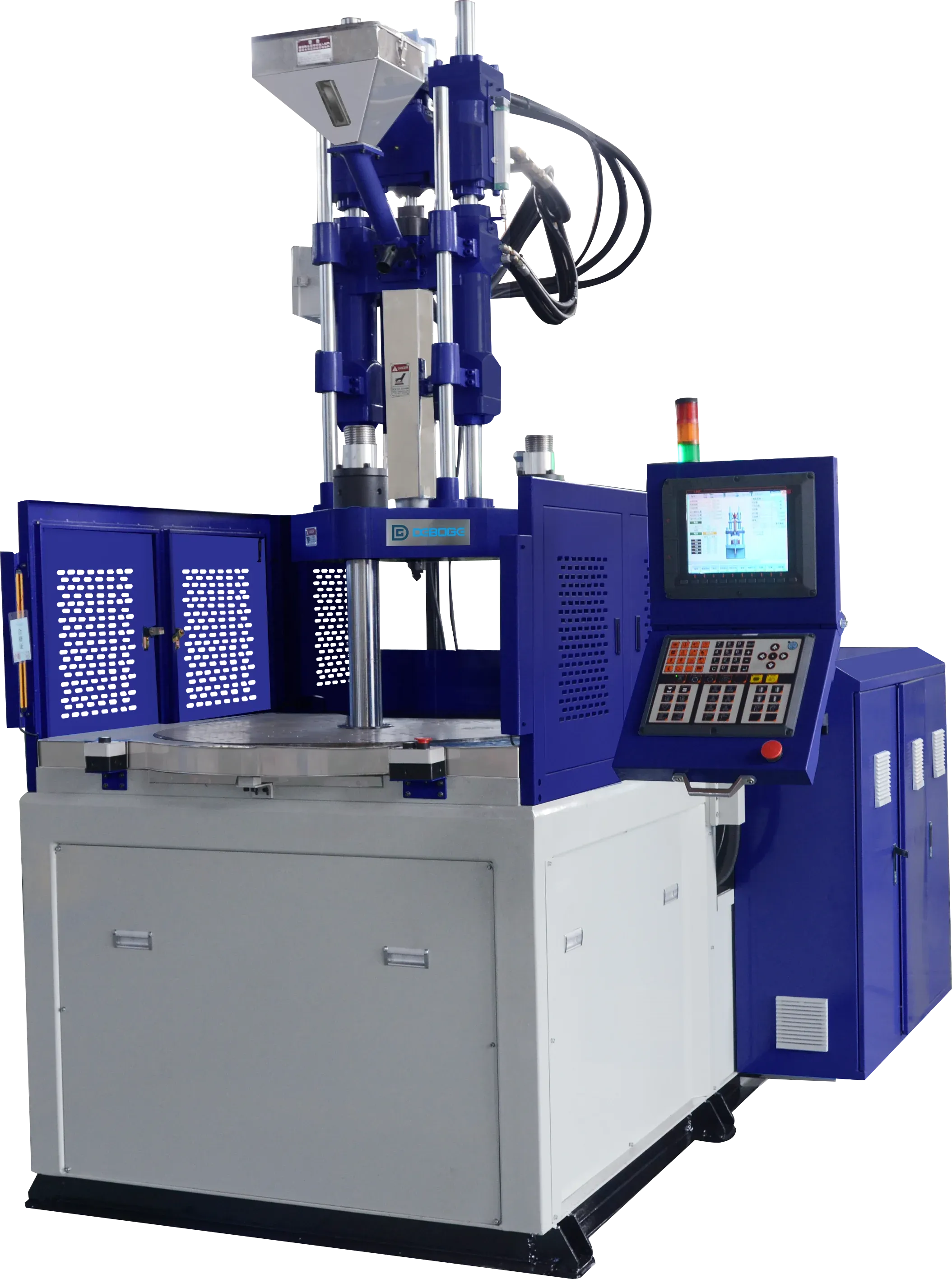
DA Series platform
Standard Vertical Injection Molding Machines
- How it works
- Standard vertical clamping with vertical injection
- Typical fit
- Insert molding, overmolding, thermoset, LSR, footwear, brush, and general vertical molding work.
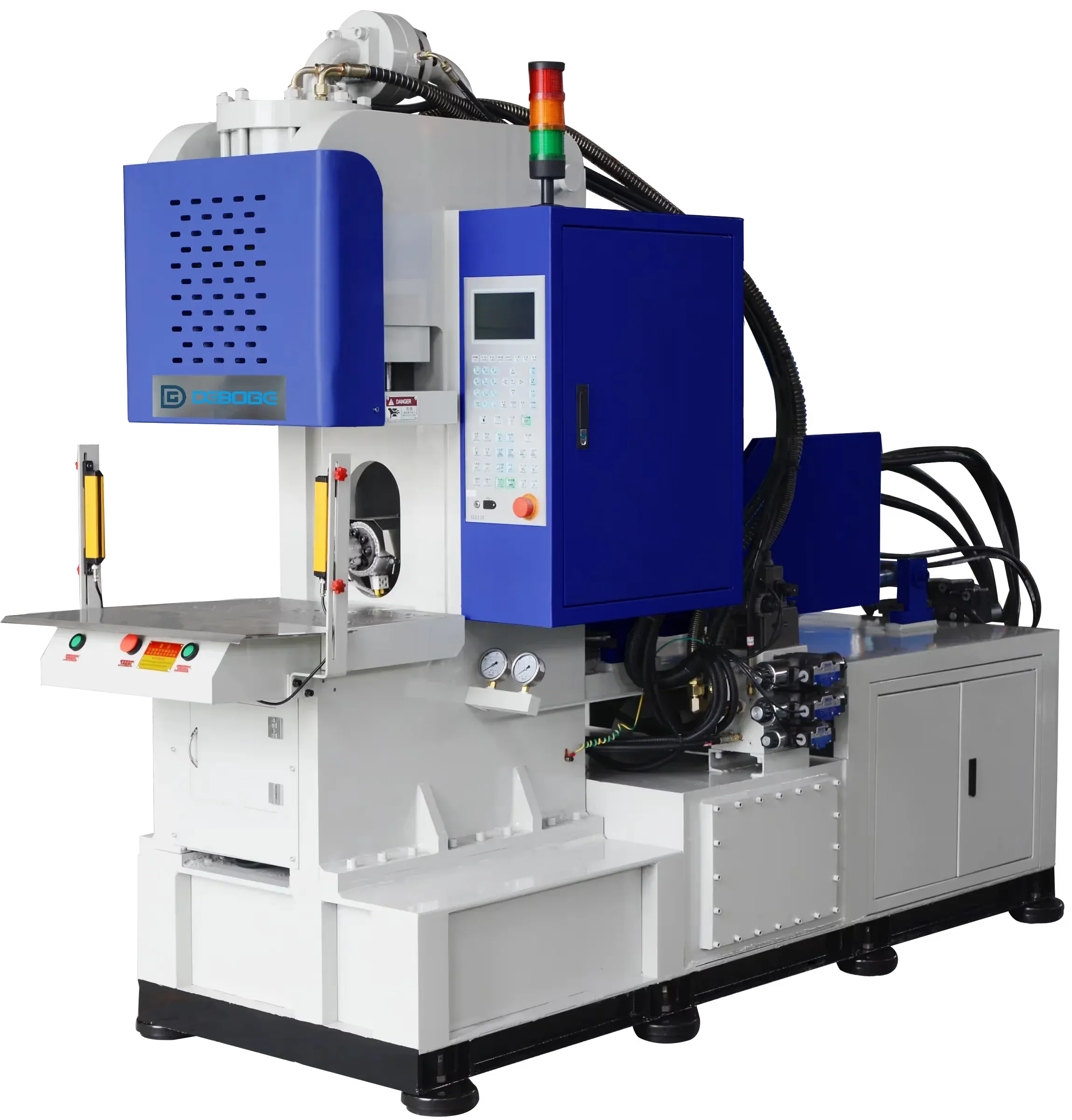
DC Series platform
Tie-bar-less Vertical Clamping Machines
- How it works
- Tie-bar-less vertical clamping; injection direction depends on configuration
- Typical fit
- Manual insert loading, cable connectors, power plugs, terminals, electronics, small inserts, and open working-area requirements.
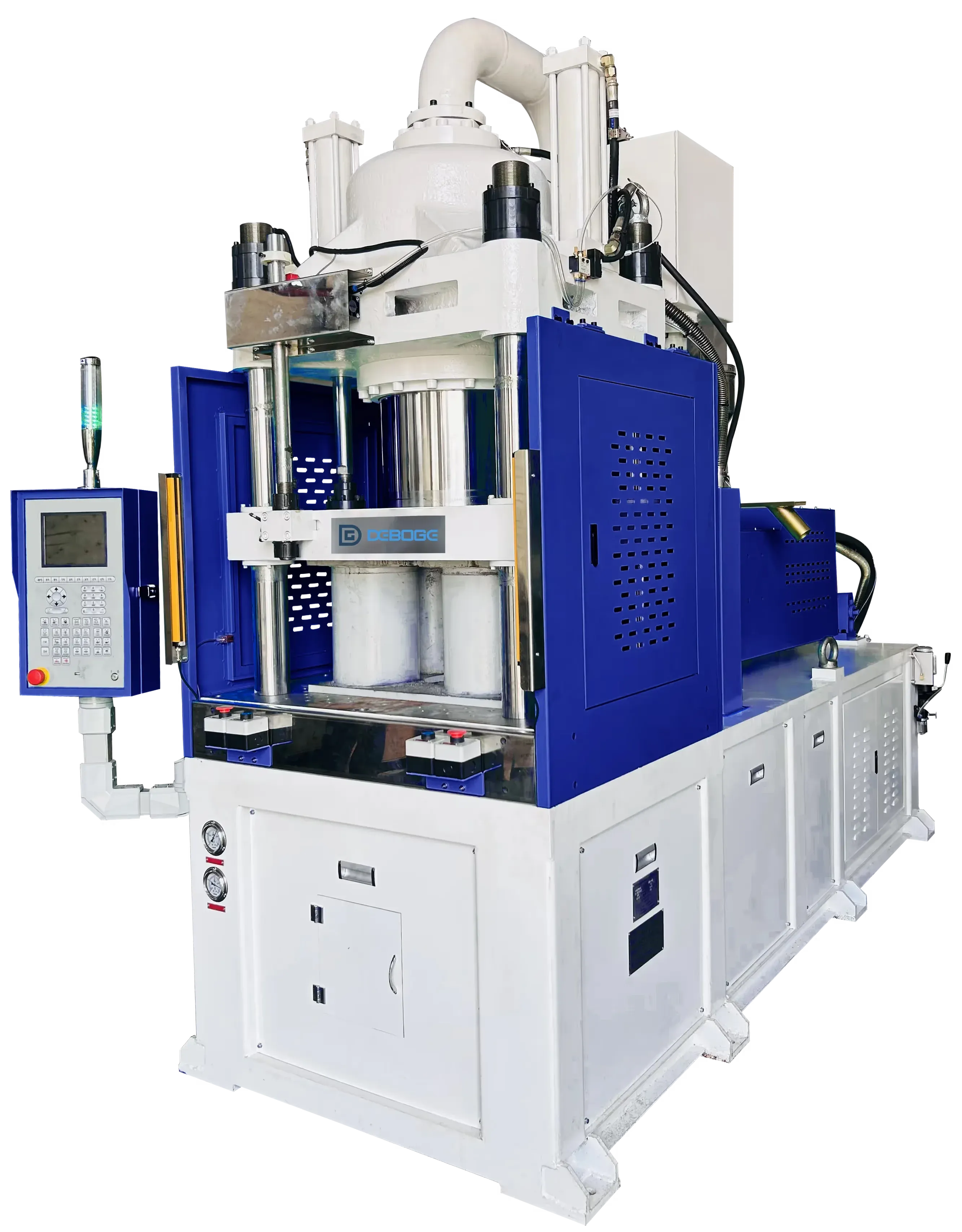
DK Series platform
Vertical Clamping Horizontal Injection Machines
- How it works
- Vertical clamping with horizontal injection
- Typical fit
- Larger insert molding, metal inserts, automotive parts, and medium-to-high-tonnage industrial applications.
Table Configuration
Match the table movement to the loading rhythm
Table configuration affects insert loading, mold access, cycle rhythm, and automation planning. Confirm availability with the selected machine structure before final selection.
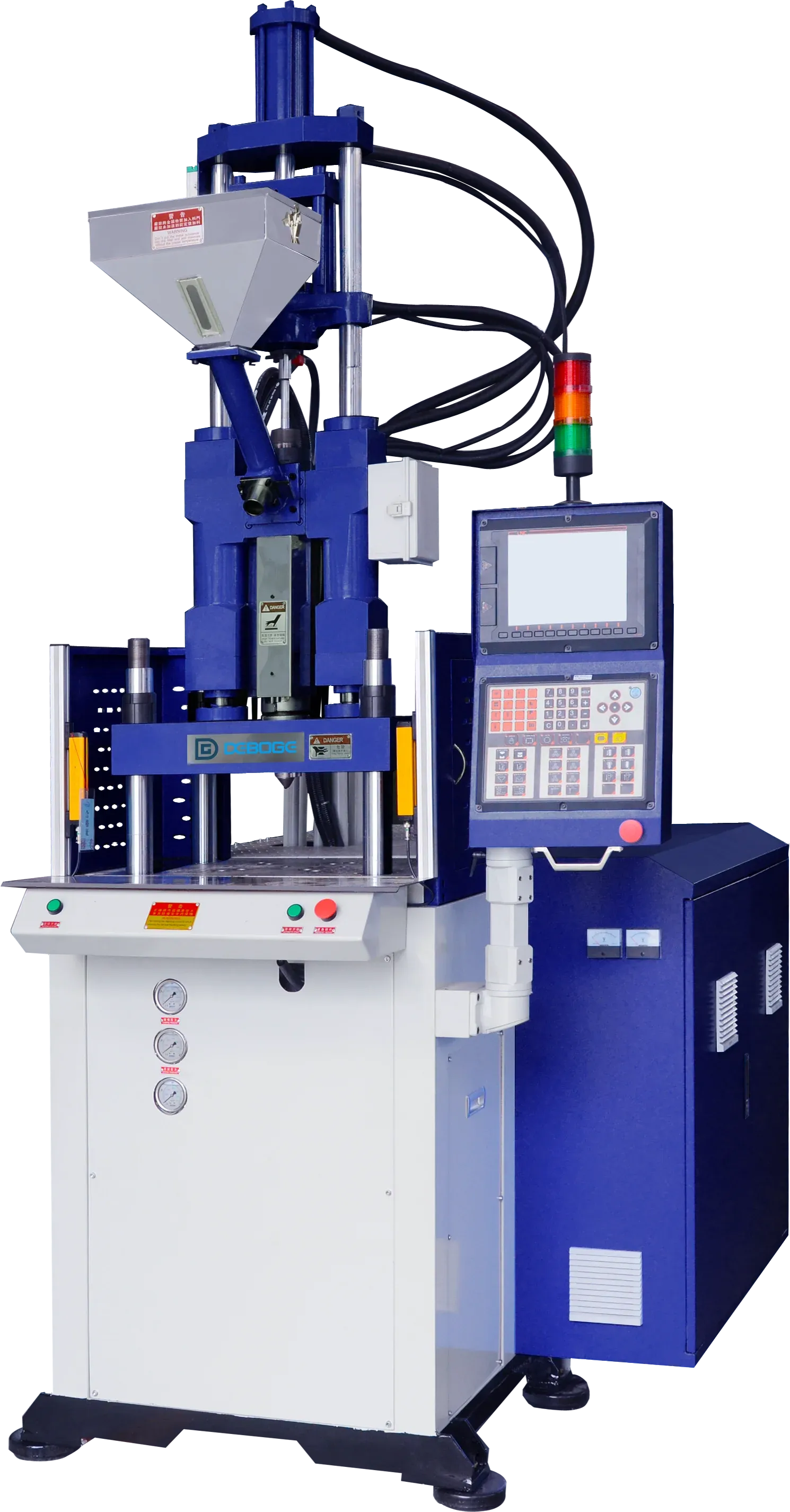
Fixed Platen Machines
For stable production and simpler mold layouts where the table does not need to move during loading.
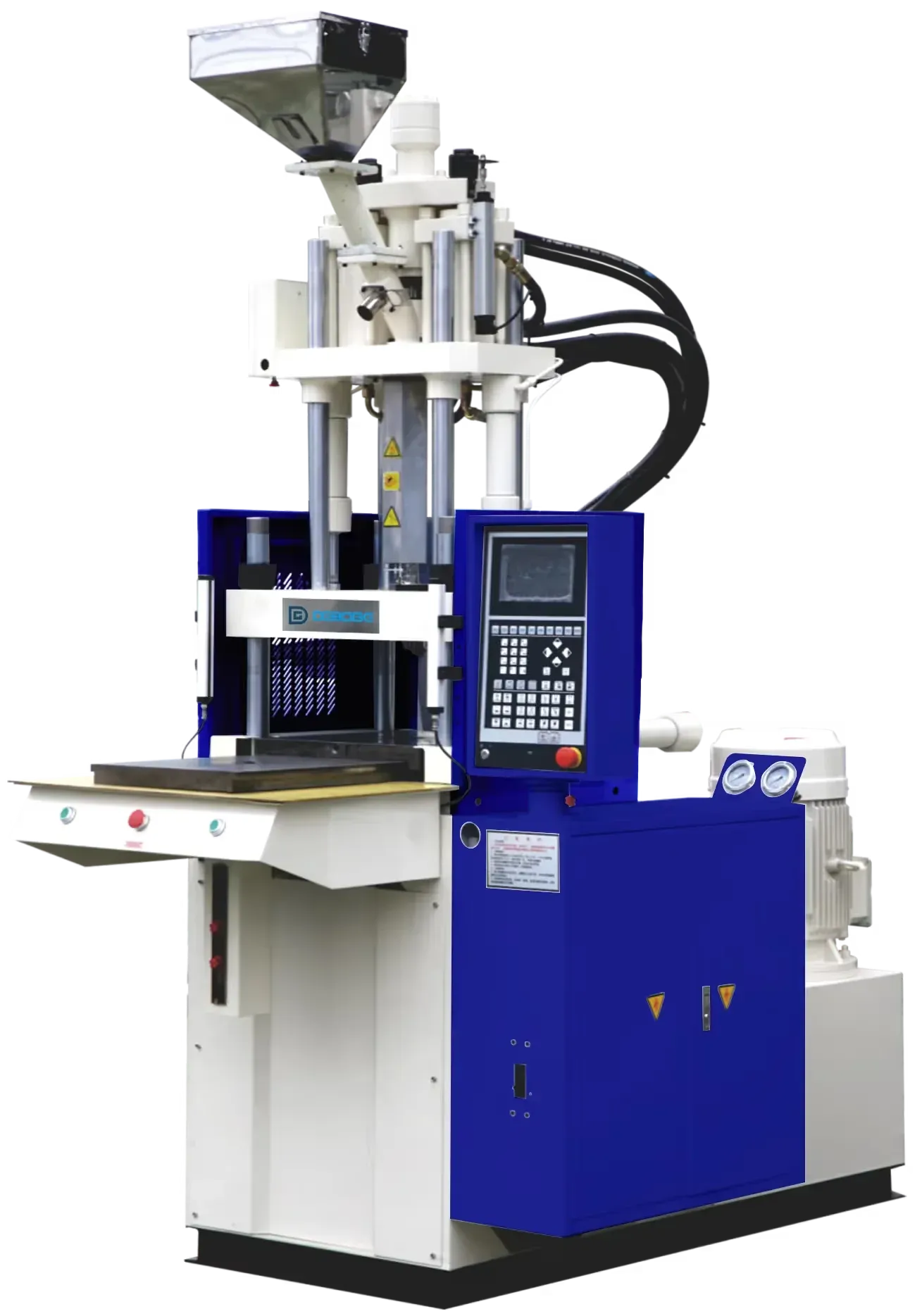
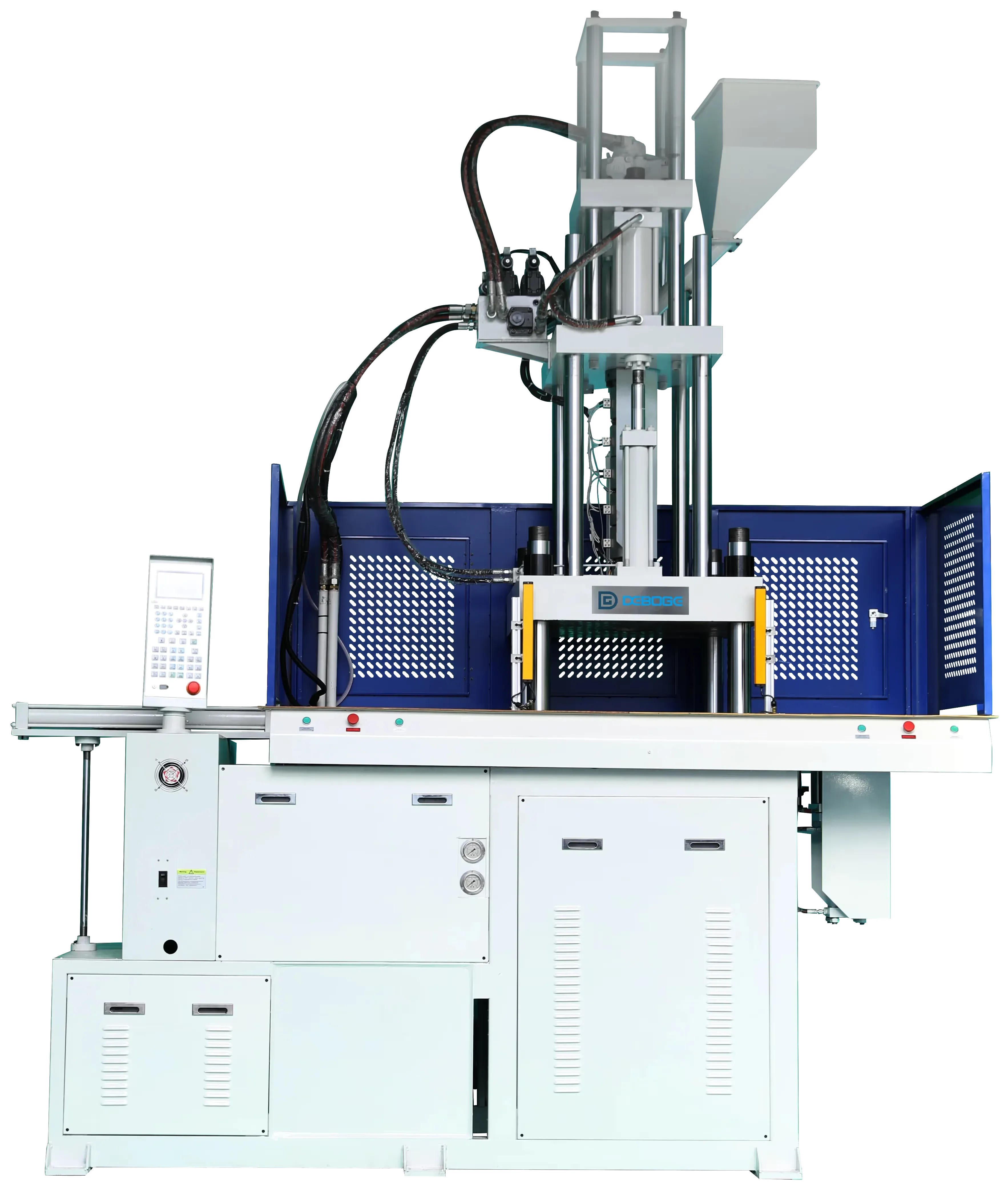
Rotary Table Machines
For more continuous insert loading and molding workflows where loading and molding can happen in parallel.
Production Requirement
Select by manufacturing requirement
when the project is not standard
Some projects are driven by clamp force, product size, special mold structure, automation planning, or a custom loading workflow rather than a single machine label.
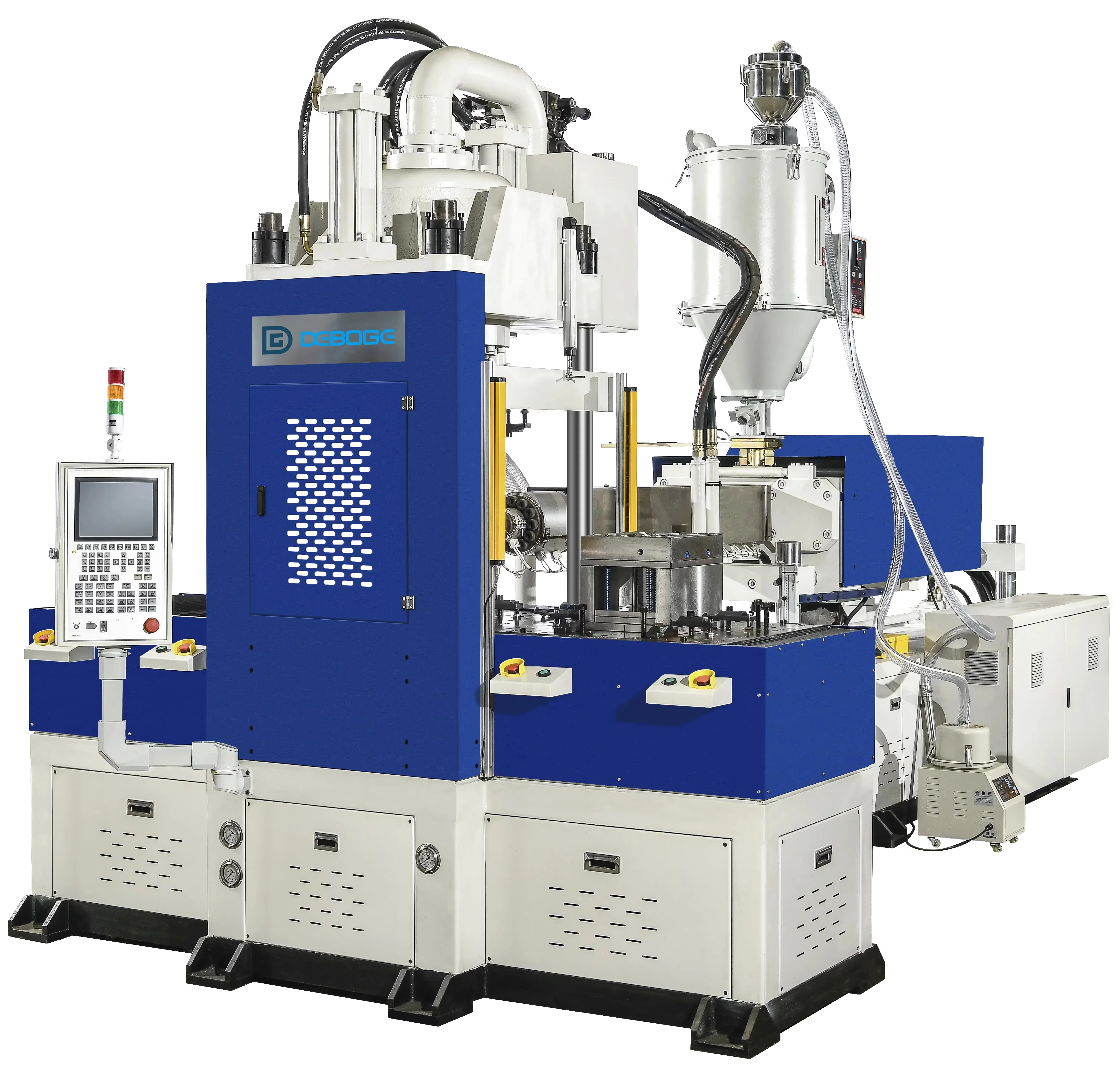
High Tonnage Vertical Molding Machines
For larger products, higher clamp force, automotive parts, metal inserts, and heavier industrial molding needs.
View production requirement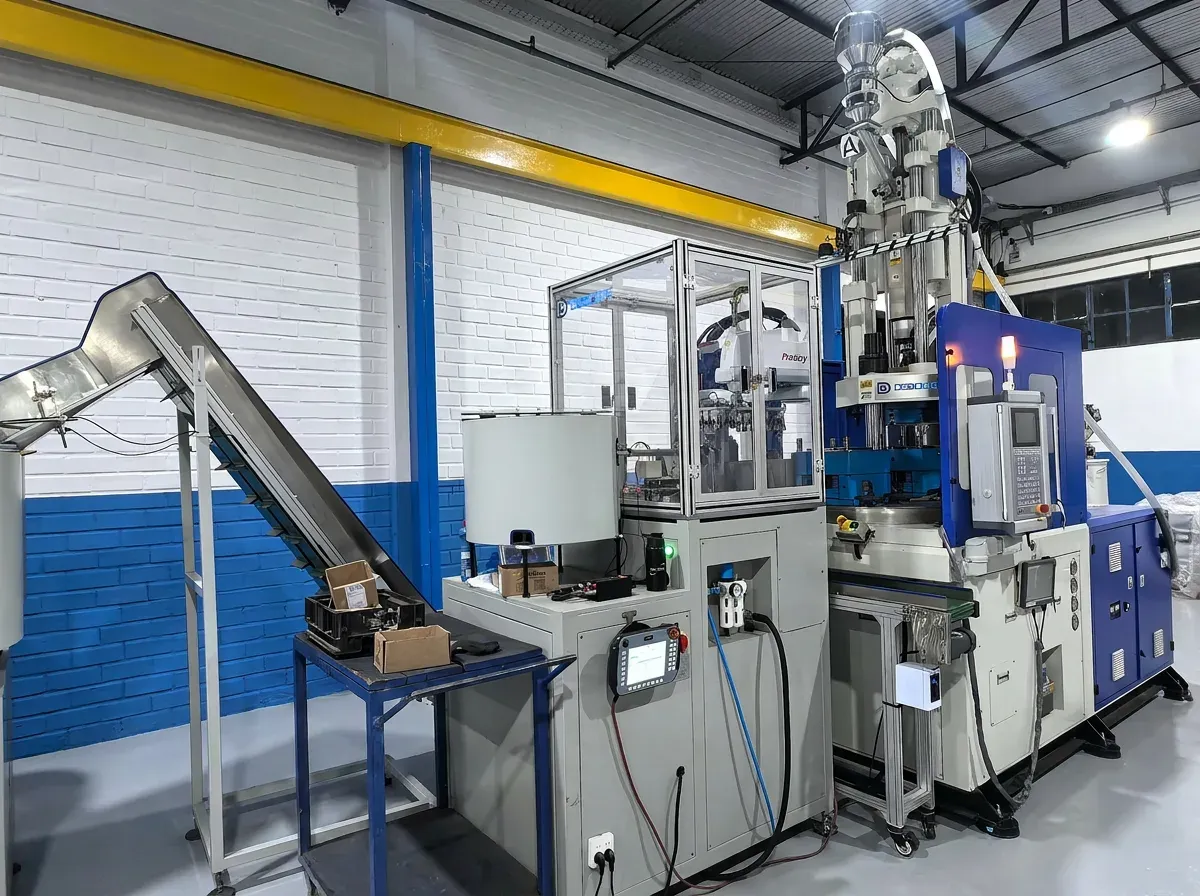
Custom Vertical Molding Solutions
For special molds, unusual insert loading, non-standard structures, material needs, or custom production workflows.
View production requirement Automation-Ready Vertical Molding Machines
For higher output planning, lower labor dependency, future automation, or integrated line discussion.
View production requirementApplication Path
Start from the molded component
Application pages connect part type, material, insert handling, and industry requirements with related machine structures and table configurations.
Before You Request a Quote
Send the information that affects machine selection
The engineering team can discuss a suitable machine platform after reviewing your product, material, mold, loading method, output target, and customization needs.
- Product dimensions or drawings
- Material and insert details
- Mold layout or existing mold information
- Preferred table workflow if known
- Target output and operator process
- Automation or customization requirements
FAQ
Machine selection questions
Short answers for comparing machine structure, table workflow, and production requirements.
Which selection path should come first?
Does vertical injection molding always mean vertical injection direction?
When does a tie-bar-less vertical clamping machine make sense?
Slide table or rotary table?
Can machines be customized for non-standard projects?
Next Step
Share your molded part and production requirement
Send your product details, material, mold information, insert loading process, target output, and any customization requirements. The engineering team can discuss the suitable machine platform with you.