
Automotive Parts
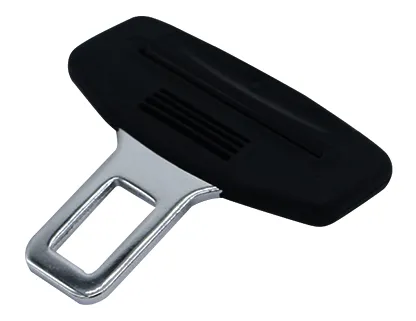
Automotive components - from seat belt buckles to sensor housings - often combine metal inserts with engineering plastics. Vertical injection molding machines hold metal inserts in position by gravity during clamping, producing consistent, assembly-ready parts.
DA and DK Series vertical machines can be reviewed for automotive insert molding. Rotary table configuration is commonly considered when production workflow benefits from parallel loading and molding.
Application Overview
Automotive part molding with vertical injection machines
The process
Metal inserts - bushings, terminals, brackets - are loaded into the lower mold. The vertical clamp closes from above, holding them in place. Engineering plastic is injected around the inserts, and after cooling, the finished automotive component is ejected - ready for assembly without secondary operations.
This produces components where metal provides strength, conductivity, or thread engagement, and the plastic housing provides form, weight reduction, and corrosion resistance - critical requirements in automotive design.
Why vertical clamping matters for automotive parts
Automotive components often contain multiple metal inserts - each must stay in its cavity during mold closing. Vertical clamping provides natural retention via gravity, which matters for:
- Seat belt buckles with metal locking mechanisms molded into the housing
- Sensor housings with metal terminal pins requiring precise positioning
- Structural brackets where metal load-bearing inserts must not shift during injection
- Under-hood components requiring engineering plastics (PA66, PPS) with metal inserts
Common Challenges
Production challenges in automotive part molding
Automotive production demands consistent quality, traceability, and efficient throughput - insert positioning and material selection are critical factors.
Part size and clamp force selection
Automotive parts range from small connectors (60T) to large structural brackets (250T+). Correct clamp force prevents flash while avoiding excessive tonnage. Deboge helps evaluate the right tonnage for your mold and part dimensions.
Insert loading workflow for complex parts
Automotive inserts - multiple metal components per part - must be loaded quickly and accurately. Rotary tables let the operator load at a dedicated station while another molds. DC Series tie-bar-less design provides open access for complex multi-insert loading.
Material performance requirements
Automotive plastics must withstand temperature extremes, vibration, and chemical exposure. Engineering materials like PA66-GF, PPS, and PBT require precise temperature control and consistent injection parameters for repeatable quality.
Configuration Review
Recommended machine configuration for automotive parts
Starting points - final selection depends on part dimensions, insert type, material, mold design, and production volume.
Machine series
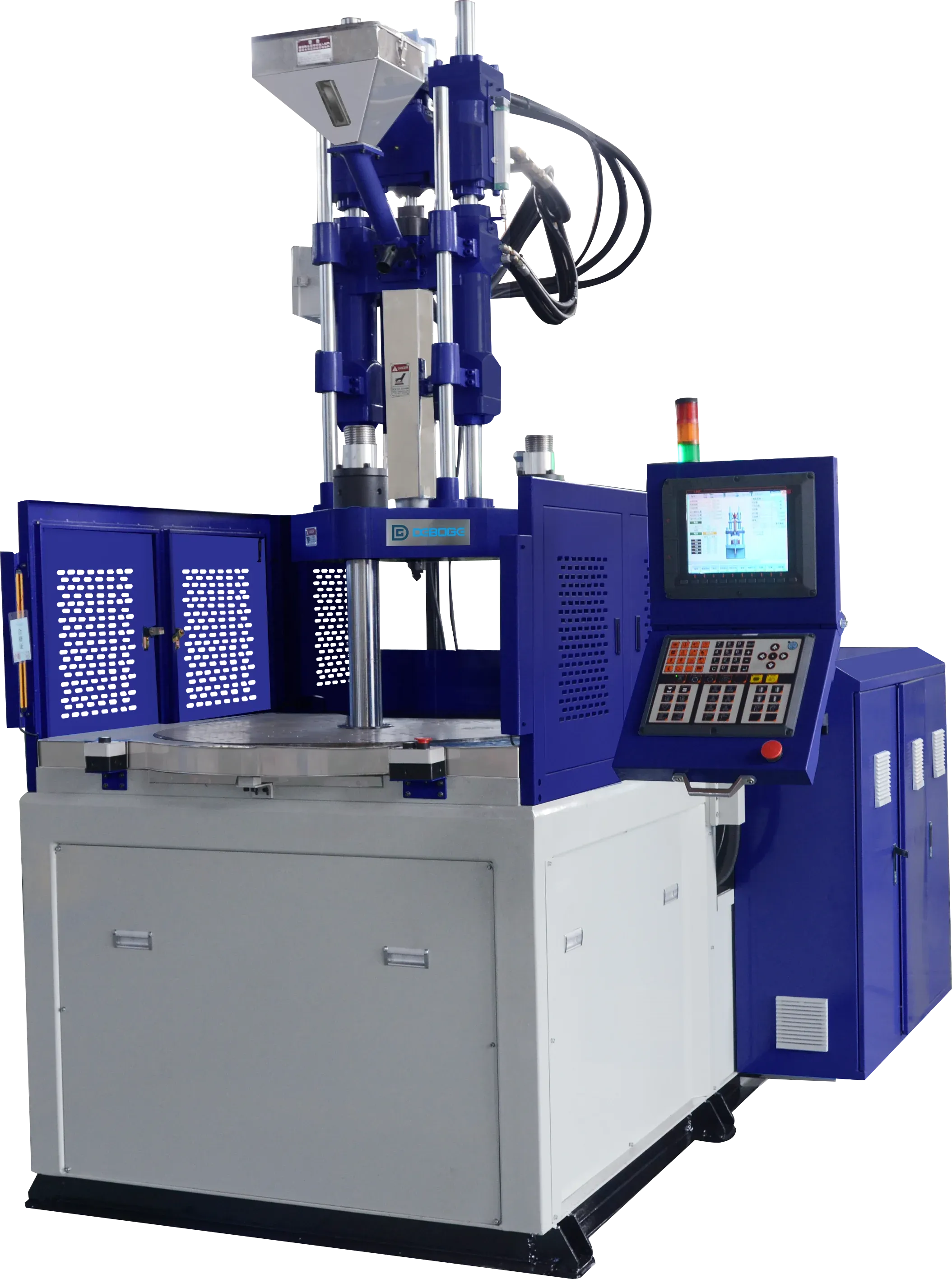
DA Series
Standard vertical clamping + vertical injection. Broad automotive coverage - small connectors to mid-size structural parts. Fixed, slide, or rotary table. 15T-800T.
View DA Series →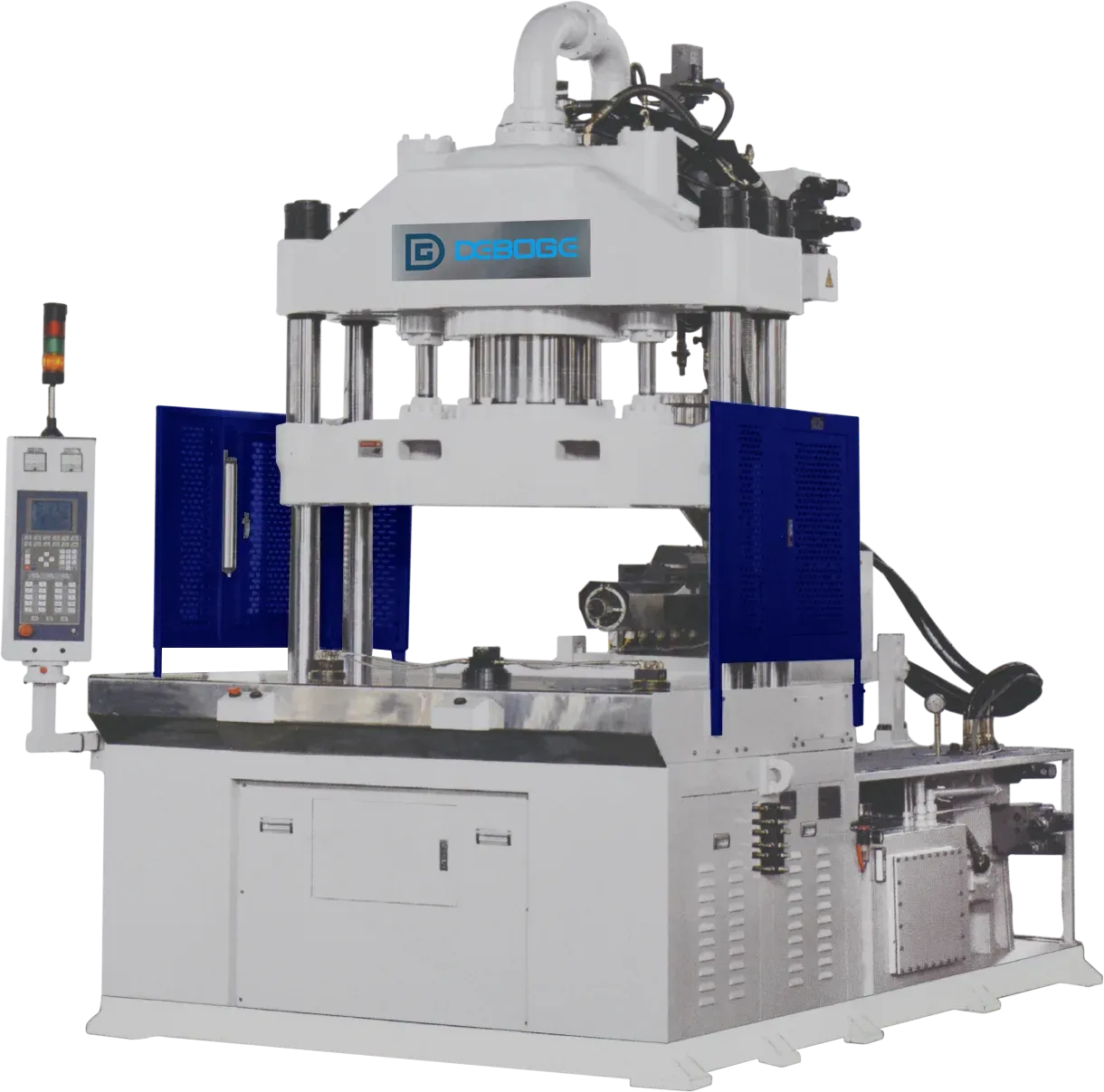
Machine series
DK Series
Vertical clamping + horizontal injection. Commonly considered for larger automotive parts with structural metal inserts. Higher tonnage capability.
View DK Series →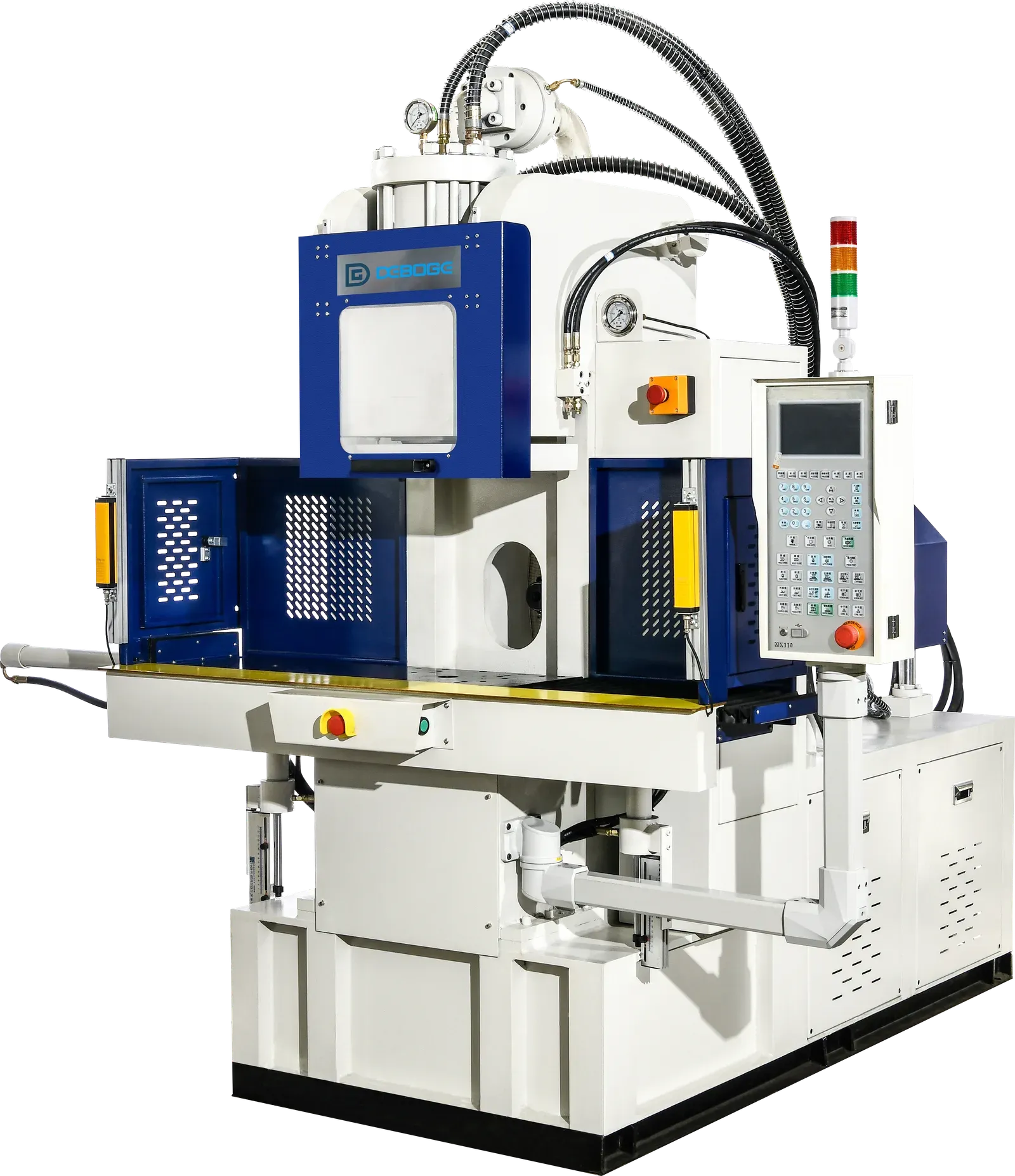
Table configuration
Rotary table
Multi-station rotating table. Load inserts at one station, mold at another. Commonly preferred for automotive production volumes.
View Rotary Table Machines →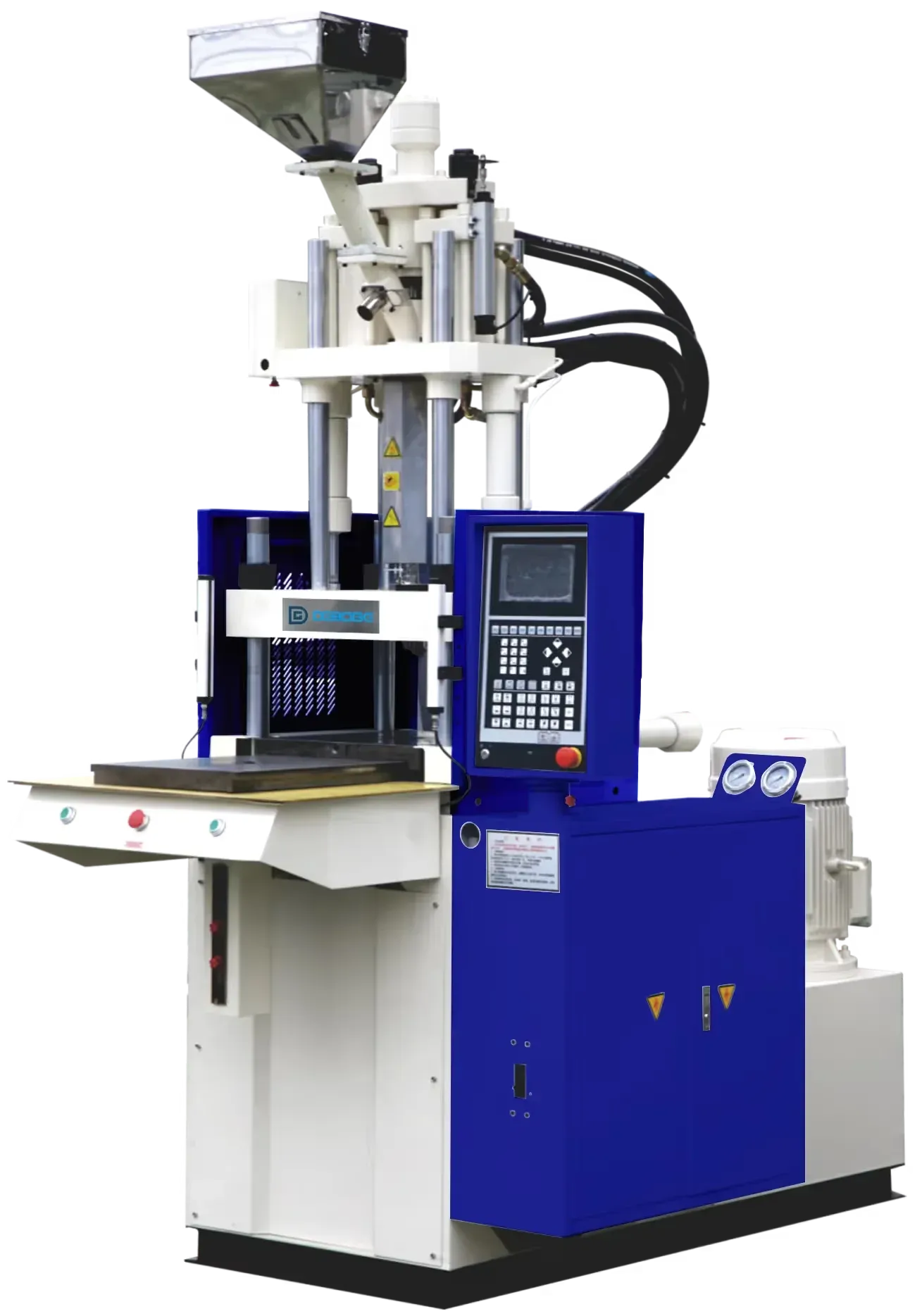
Table configuration
Slide table
Lower mold slides out for accessible loading. Suits larger or multi-insert automotive parts needing careful placement.
View Slide Table Machines →Machine size must be confirmed from project data - Review projected mold area, insert size, cavity count, material, and mold structure before selecting tonnage.
Materials
Typical automotive materials
Automotive-grade materials must meet thermal, mechanical, and chemical resistance requirements. Glass-fiber-reinforced grades are common for structural applications.
PA66-GF (Glass-Fiber Nylon)
Common for under-hood and structural parts. High strength, good heat resistance (up to ~180 deg C with heat-stabilized grades). Used for brackets, housings, and mechanical components with metal inserts.
PBT
Common for automotive connectors, sensor housings, and electrical distribution components with metal terminal inserts. Electrical insulation and dimensional stability should be selected from the material grade data.
PPS (Polyphenylene Sulfide)
High-temperature thermoplastic for under-hood electrical and mechanical parts. Resistant to automotive fluids, good dimensional stability at elevated temperatures. Common with metal insert molding.
PP (Polypropylene)
Cost-effective for interior trim, fluid reservoirs, and general components. Good chemical resistance. Talc-filled grades for improved stiffness in structural applications.
PC+ABS
Common for interior trim panels, instrument cluster housings, and electronic enclosures. Good impact resistance at low temperatures and good surface finish for visible parts.
POM (Acetal)
Precision mechanical parts - fuel system components, door lock mechanisms, gear actuators. Low friction, good wear resistance, and dimensional stability.
Products
Typical automotive molded products
From safety systems to electrical components - these product categories represent common automotive insert molding applications on Deboge vertical machines.
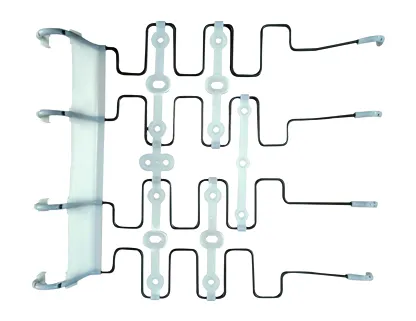
Safety system components
Seat belt buckles, pretensioner housings, airbag components with molded-in metal locking mechanisms.
Structural brackets & mounts
Load-bearing brackets with metal insert reinforcement - seat mounts, engine cover brackets, structural attachment points.
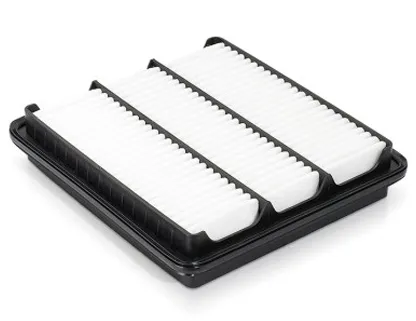
Engine & filtration components
Air filter housings, fluid reservoirs, engine covers - often with threaded insert molding for assembly fastening.
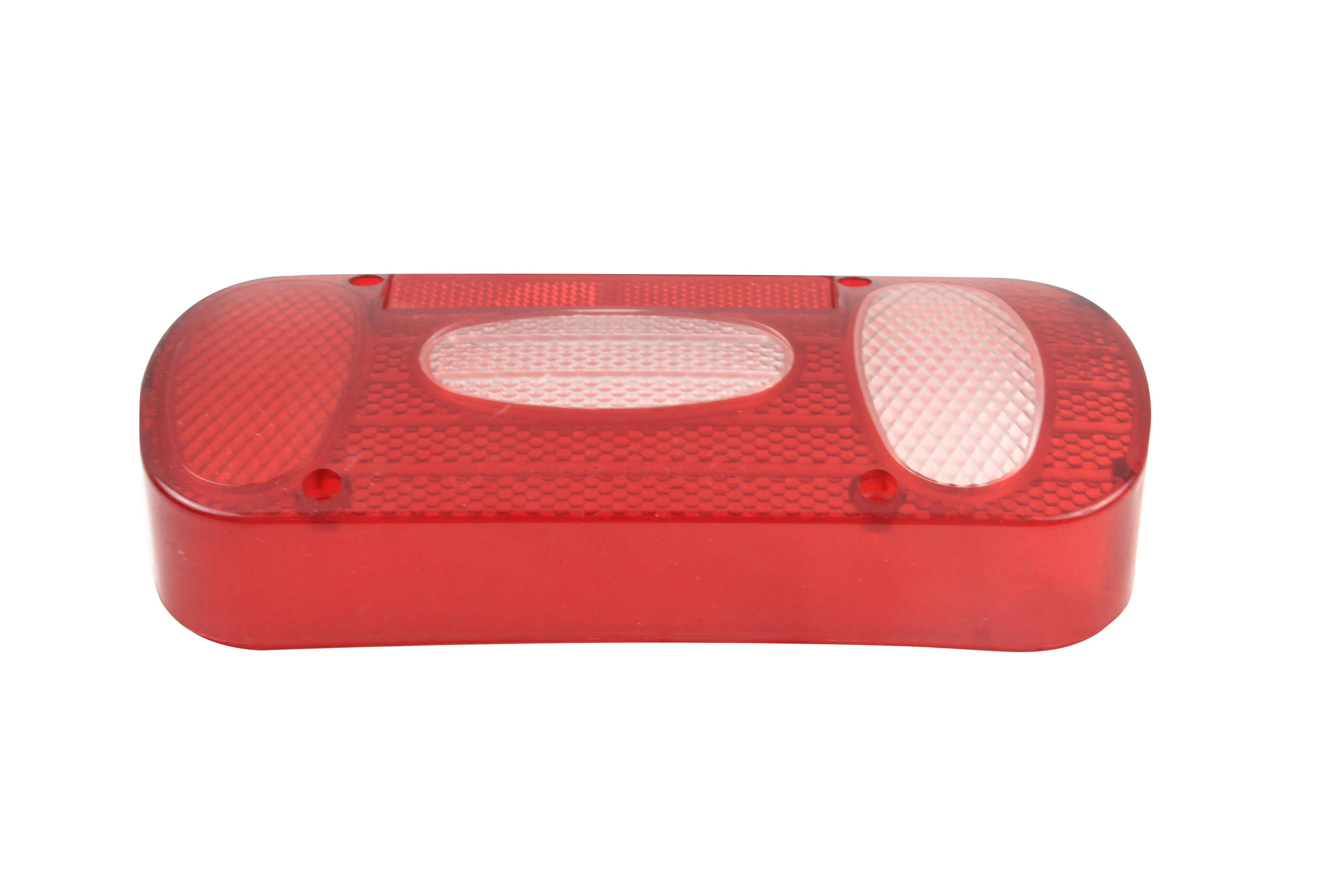
Lighting & electrical housings
Headlight housings, connector shells, sensor enclosures with metal terminal and contact pin inserts.
Related Machines and Resources
FAQ
Automotive parts - frequently asked questions
Why use a vertical injection molding machine for automotive parts?
Which machine series is recommended for automotive parts?
How should machine size be reviewed for automotive part molding?
Which table configuration fits automotive production?
What automotive materials can be reviewed for this process?
Can high-tonnage automotive applications be reviewed?
How do I discuss machine configuration for automotive parts?
Tell us about your automotive molding application
Discuss machine configuration for automotive part production
Send your part design, material, insert specifications, mold dimensions, and target production volume. The engineering team can review the project data and discuss machine series, table configuration, and machine-size direction.