
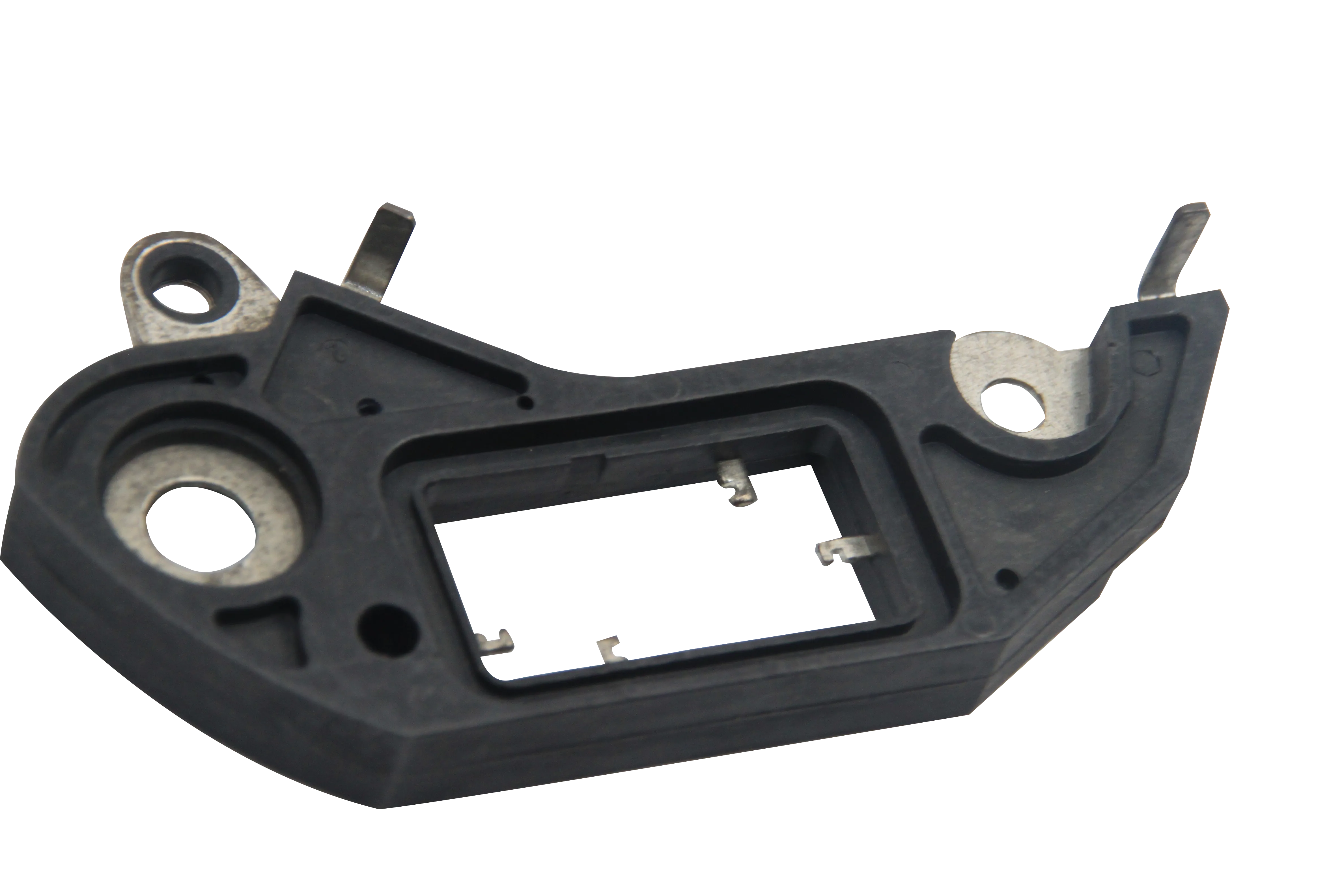
Metal Insert Molding
Metal components - bushings, threaded inserts, terminals, structural brackets - are placed into the mold before injection. Plastic is molded around them, creating a single integrated metal-plastic component in one cycle without secondary assembly.
DA and DK Series vertical machines can be reviewed for metal insert molding. Rotary or slide table configuration depends on insert size, weight, mold design, and production volume.
Application Overview
What is metal insert molding and why use a vertical machine?
The process
A metal insert - bushing, threaded nut, terminal, or structural bracket - is placed into the lower mold. The vertical clamp closes from above, plastic flows around the insert, and after cooling the bonded metal-plastic part is ejected.
This eliminates post-molding assembly: no press-fitting, no staking, no adhesive bonding of metal to plastic. The result is a single component where the metal provides strength, conductivity, or thread engagement, and the plastic provides form, insulation, and corrosion resistance.
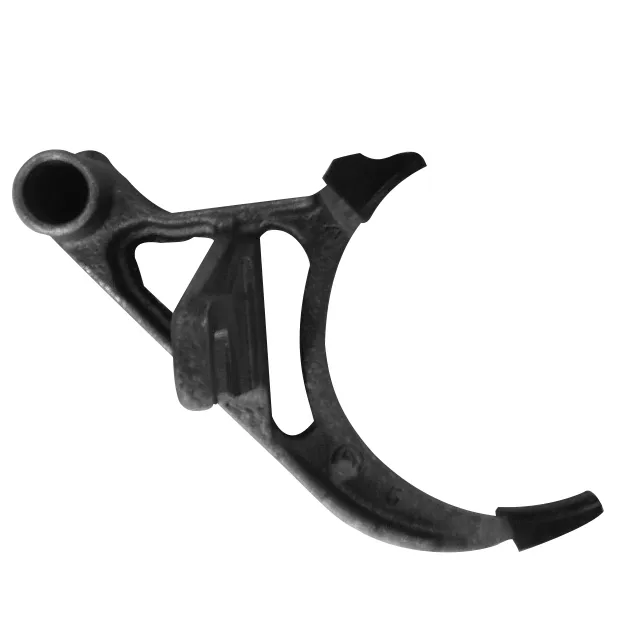
Why vertical clamping matters for metal inserts
Metal inserts are heavier than the plastic resin - gravity is a significant force. In a horizontal machine, the insert can drop or tip during mold closing, causing scrap or mold damage. Vertical clamping holds the insert naturally in place:
- Threaded brass or steel inserts remain perpendicular to the mold surface
- Large structural brackets stay seated in the lower mold cavity
- Multi-insert layouts - all inserts remain in their cavities during clamping
- Heavy metal cores (several hundred grams) that would need complex retention in horizontal molds
Common Challenges
Production challenges in metal insert molding
The interaction between metal insert placement, clamp force, and injection parameters determines part quality and tooling life.
Insert positioning and retention
Metal inserts must stay precisely positioned during mold closing and injection. Vertical clamping uses gravity for natural retention. Slide and rotary tables let the operator place and verify inserts at a dedicated loading station outside the clamp area.
Clamp force selection for metal-plastic bonding
Insufficient clamp force causes flash around the insert; excessive force can deform or crush it. Proper tonnage depends on projected area and insert geometry. Deboge helps evaluate the right clamp force for your mold and insert combination.
Loading efficiency for heavy inserts
Large metal inserts (brackets, structural cores) are heavy and awkward to load. Slide tables move the lower mold out for ergonomic loading. Rotary tables let the operator load while another station molds, improving throughput without rushing insert placement.
Configuration Review
Recommended machine configuration for metal insert molding
Starting points - final selection depends on insert size and weight, mold design, material, and production volume.
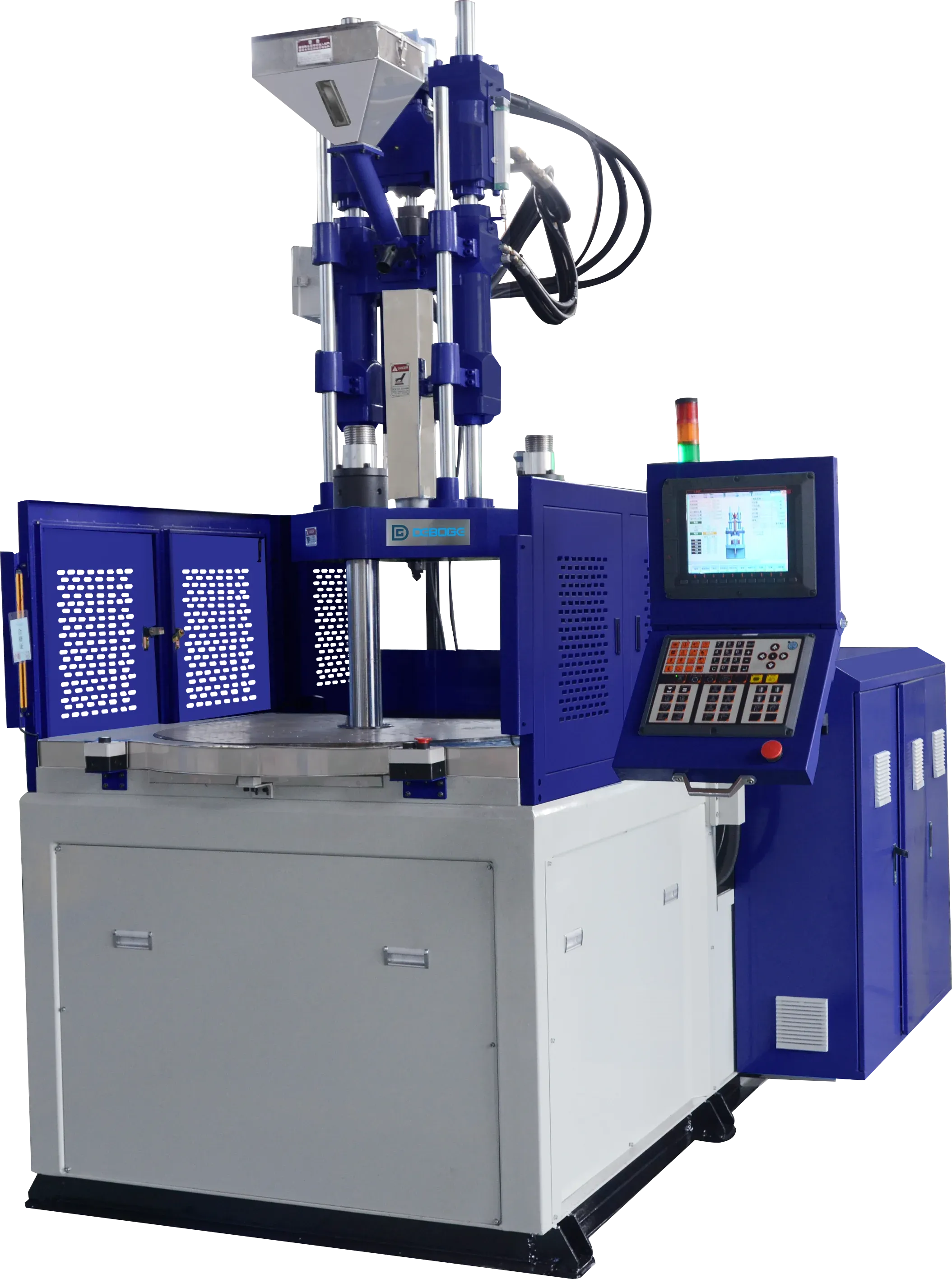
Machine series
DA Series
Standard vertical clamping + vertical injection. Broad coverage - from small threaded inserts to mid-size metal brackets. Fixed, slide, or rotary table. 15T-800T.
View DA Series →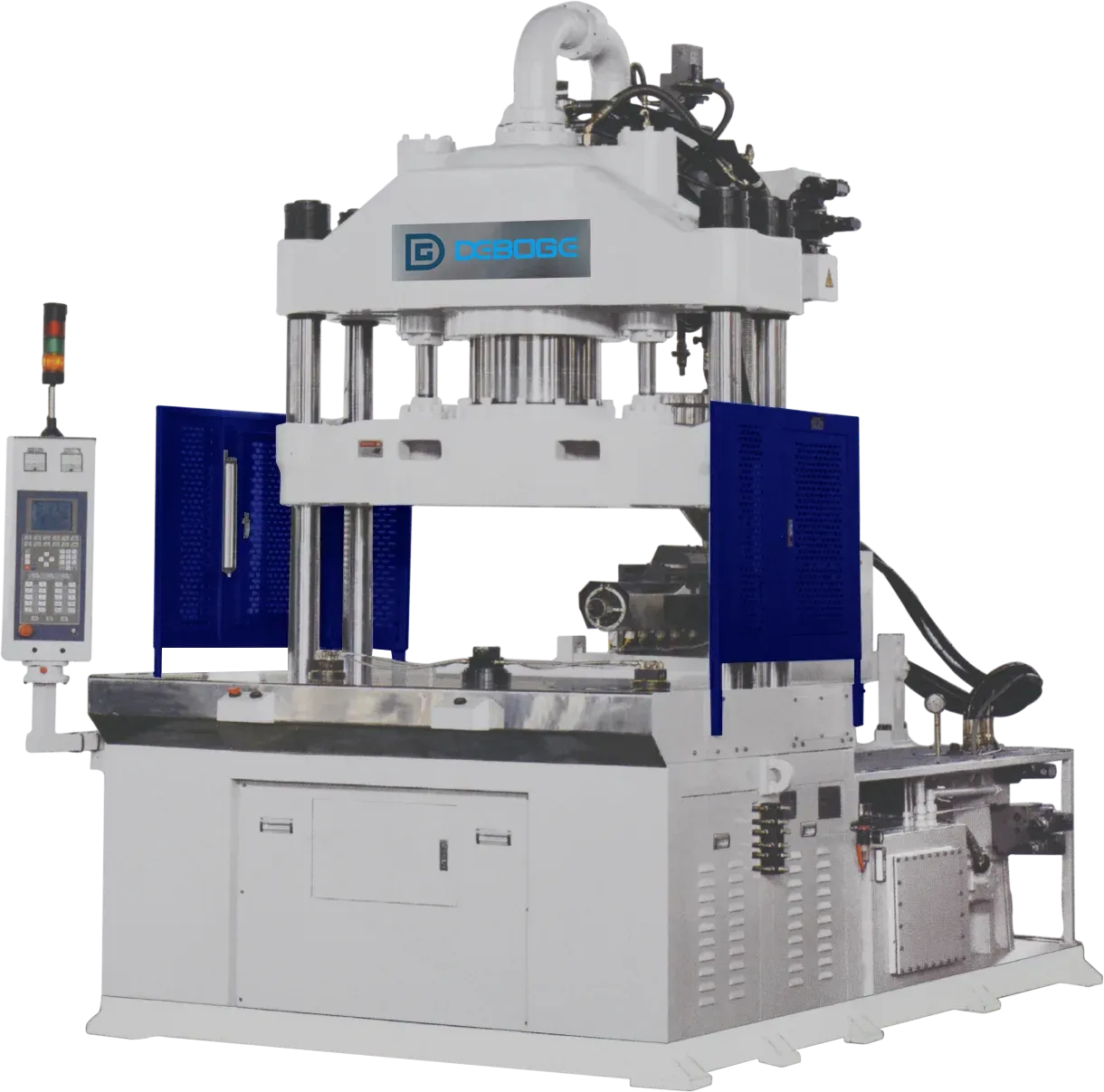
Machine series
DK Series
Vertical clamping + horizontal injection. Commonly considered for larger-tonnage metal insert applications. 100T-800T.
View DK Series →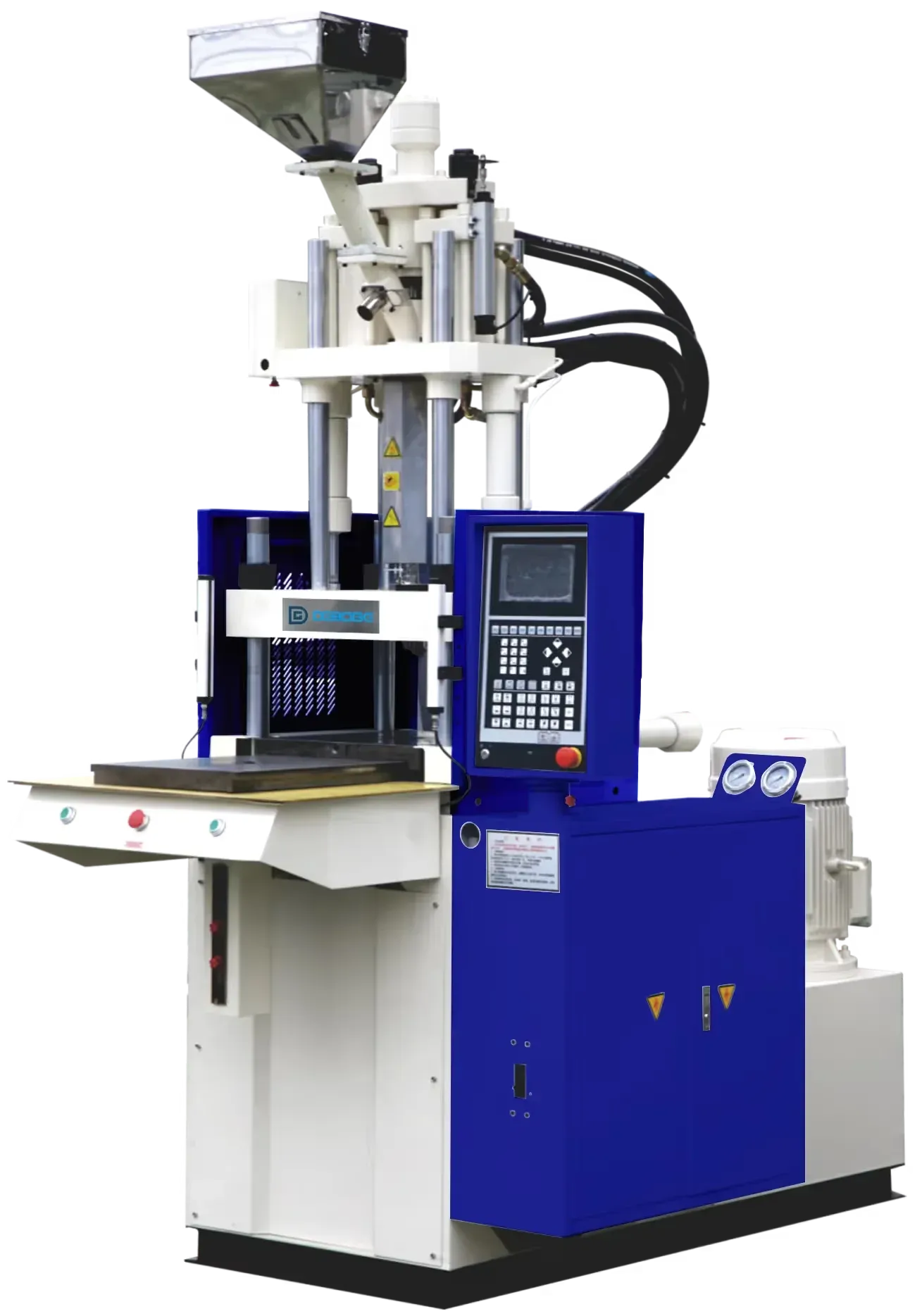
Table configuration
Rotary table
Multi-station rotating table for efficient insert loading. Operator loads at one station while another molds - labour time overlaps cycle time.
View Rotary Table Machines →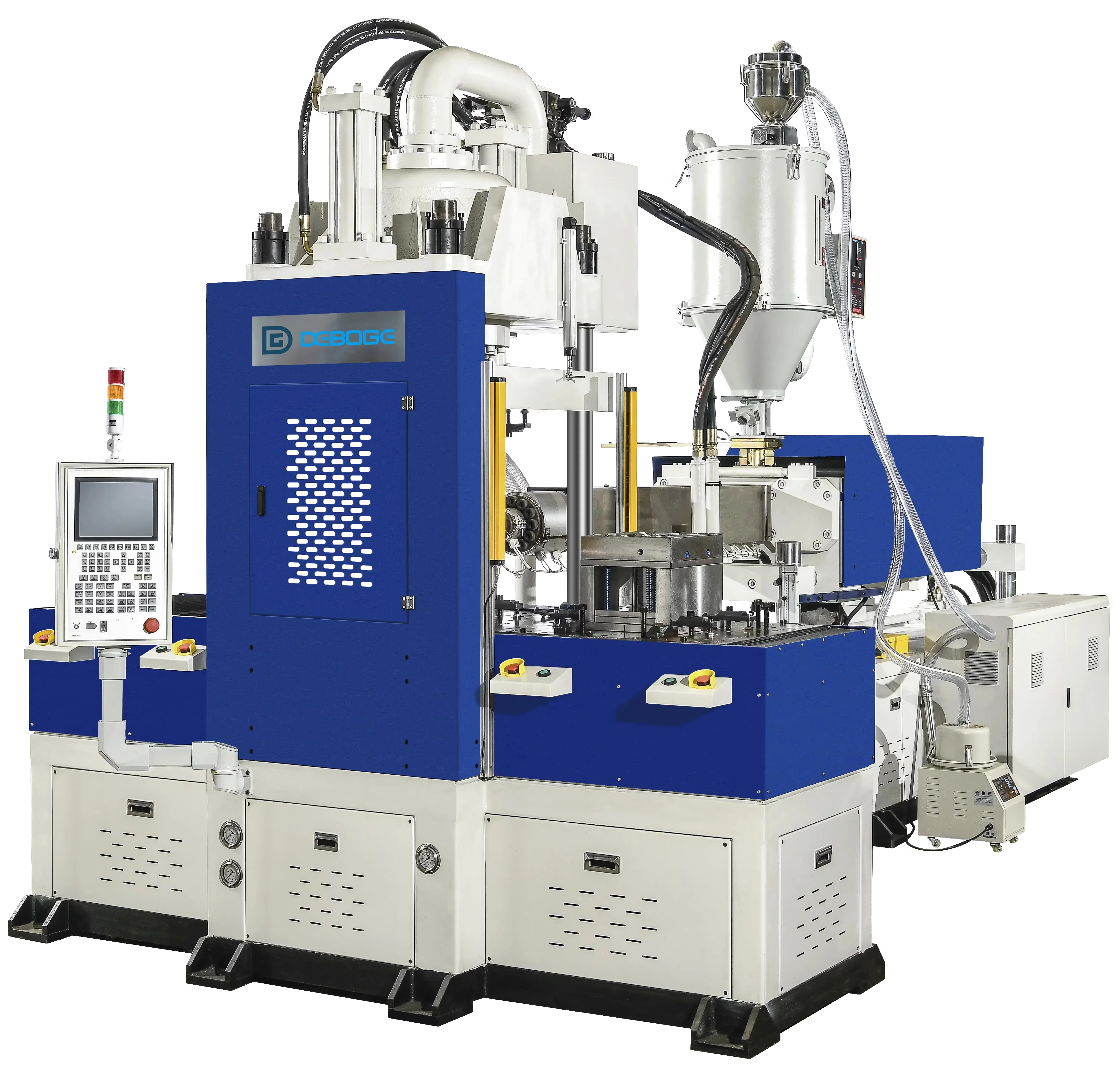
Table configuration
Slide table
Lower mold slides out for accessible loading. Single or double slide. Suits large or heavy metal inserts needing careful placement.
View Slide Table Machines →Machine size must be confirmed from project data - Review projected mold area, insert size and geometry, cavity count, material, and mold structure before selecting tonnage.
Materials
Typical materials for metal insert molding
The plastic must bond well to the metal surface. Metal surface preparation (cleaning, texture, pre-heating) and insert design affect bond quality and cycle consistency.
PA66 (Nylon)
Common for mechanical components with metal threaded or bushing inserts. Good mechanical strength and heat resistance. Glass-fiber-reinforced grades for higher stiffness.
PBT
Common for electrical and electronic parts with metal terminal inserts. Good dimensional stability and electrical insulation. Low moisture absorption.
PPS (Polyphenylene Sulfide)
Engineering thermoplastic often reviewed for under-hood automotive and industrial electrical parts. Chemical and heat resistance should be selected from the supplier material grade data.
PP (Polypropylene)
General-purpose material for consumer and industrial components with metal inserts. Good chemical resistance. Cost-effective for high-volume production.
POM (Acetal)
Precision mechanical components - gears, bearings, sliding parts with metal shaft or bushing inserts. Low friction, high dimensional stability.
PC+ABS
Consumer and industrial housings with threaded brass or steel insert molding. Good impact resistance and surface finish.
Products
Typical metal insert molded products
From automotive to industrial equipment - metal insert molding produces structural, conductive, and threaded plastic components.
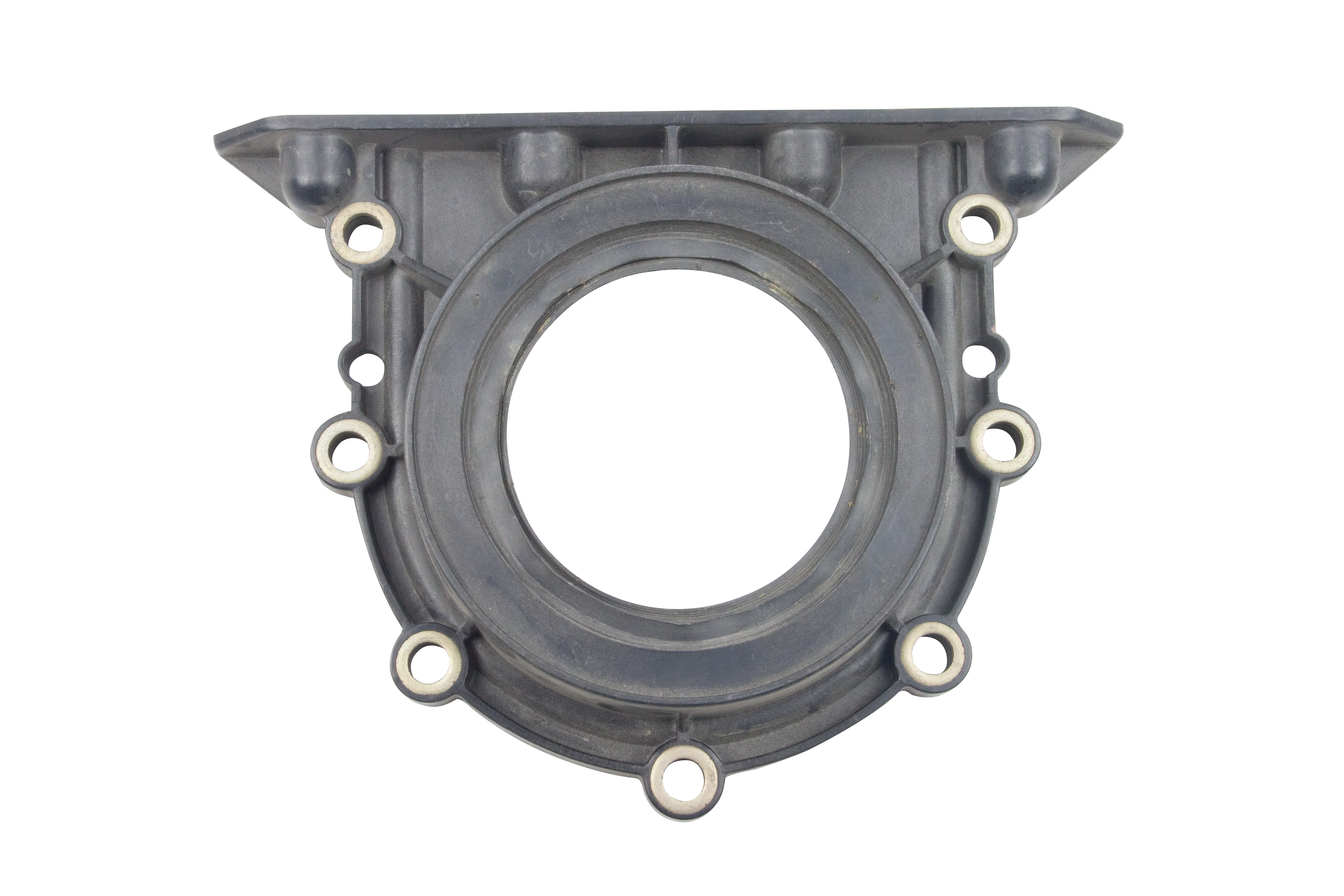
Structural brackets & housings
Plastic housings with molded-in metal structural inserts for load-bearing assembly points.
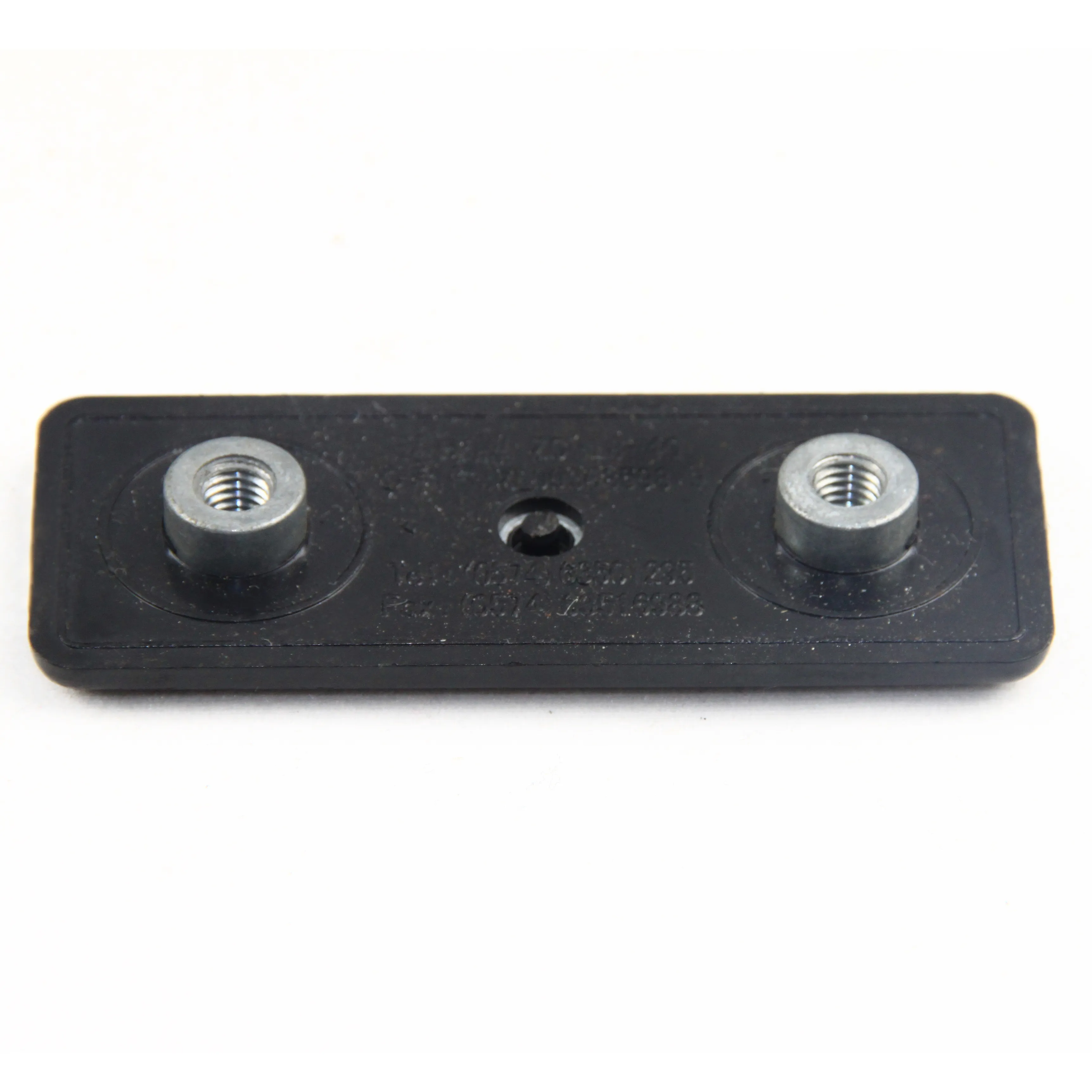
Threaded insert components
Brass or steel threaded inserts molded into plastic for durable assembly fastening points.
Electrical terminals & connectors
Metal terminals and contact pins molded into insulating plastic housings for electrical applications.
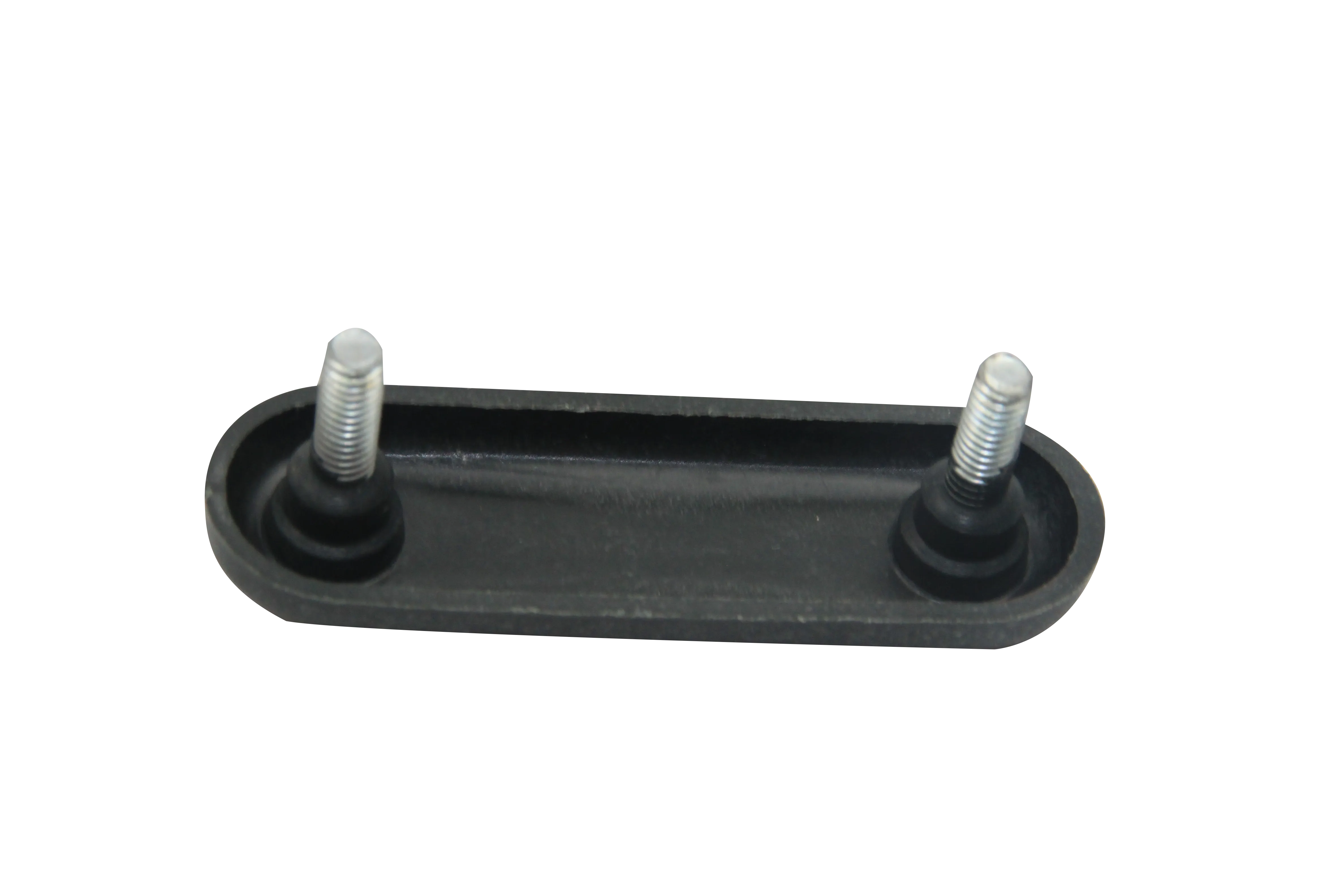
Fastener & hardware integration
Screws, nuts, and hardware molded directly into plastic parts for one-step assembly-ready components.
Related Machines and Resources
FAQ
Metal insert molding - frequently asked questions
Why use a vertical machine for metal insert molding?
Which table configuration fits metal insert molding?
How should machine size be reviewed for metal insert molding?
Which machine series is commonly reviewed?
What materials are commonly used for metal insert molding?
Can a machine be customized for large or complex metal inserts?
How do I discuss machine configuration for metal insert molding?
Tell us about your metal insert molding application
Discuss machine configuration for your metal insert molding project
Send your product details, metal insert specifications, material, mold dimensions, and production target. The engineering team can review the project data and discuss machine series, table configuration, and machine-size direction.