
250-ton BMC / DMC Molding: How to Review a Thermoset Machine Project
Review how thermoset material behavior, mold heating, part removal, and clamping stability affect a BMC / DMC machine discussion.
2026-07-13 | 8 min read | Industry: Electrical and industrial components
For BMC and DMC parts, the first machine question is rarely only “How many tons?” Your team also needs to confirm how the material will be fed, how the mold will be heated, how the part will cure, and how the cured part will be removed without damaging the mold surface or the part edge.
This case is useful for teams reviewing electrical insulation parts, industrial housings, heat-resistant molded components, or similar thermoset projects where a 250-ton class machine may be discussed. It does not replace engineering confirmation. It shows what information should be reviewed before Deboge recommends a final machine configuration.
Project Situation
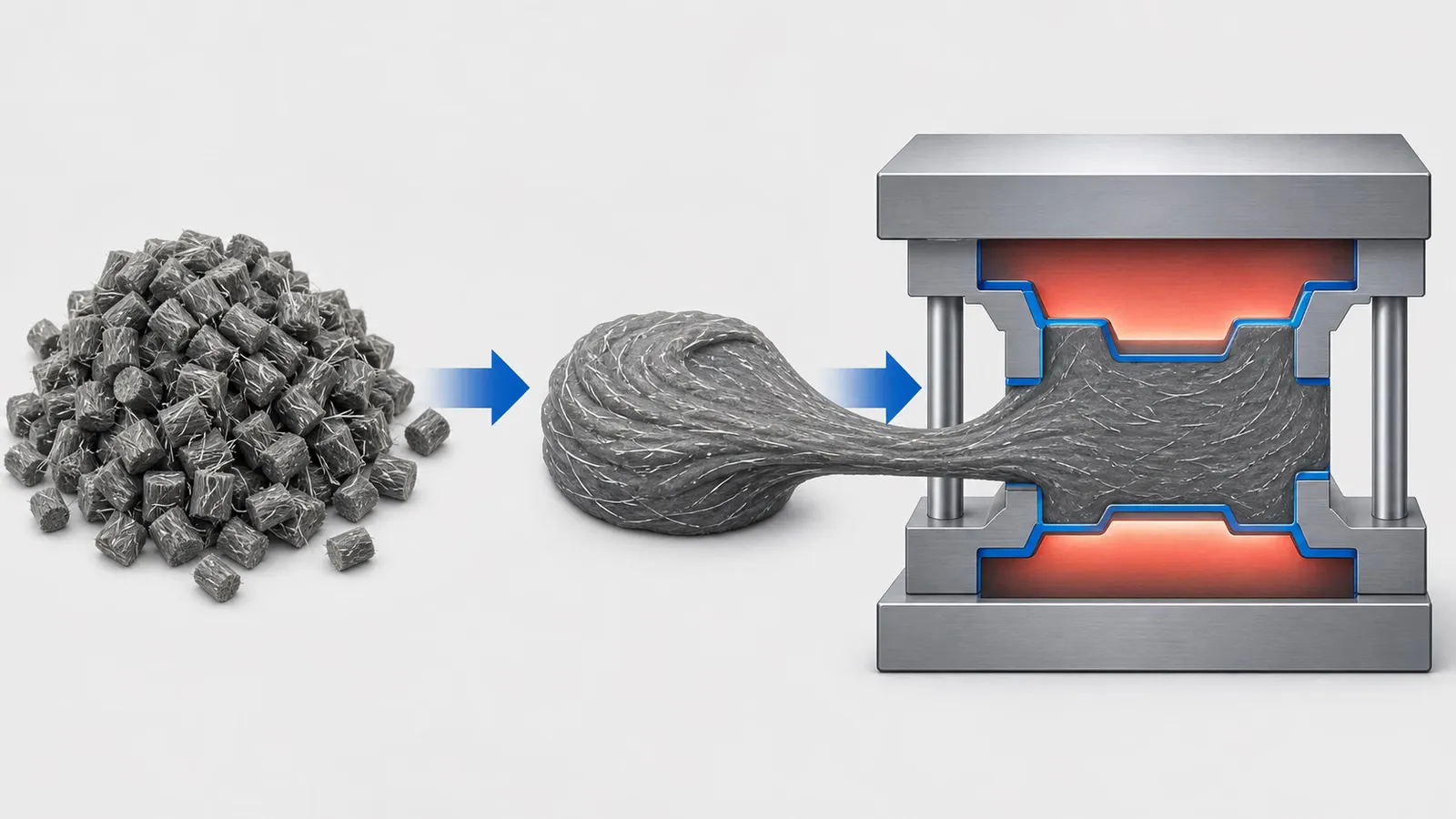
The project involved BMC / DMC thermoset molding. These compounds cure inside a heated mold and cannot be re-melted after curing. That changes the machine discussion compared with a normal thermoplastic project.
The project team needed to review:
- whether the selected machine class could provide enough clamping stability for the projected area and cavity plan
- how the mold heating and curing window would affect the operating sequence
- whether the injection unit and material feed path were suitable for the selected BMC or DMC grade
- how operators would remove cured parts and keep the mold surface clean
- whether fixed platen, slide table, or another access arrangement would make production easier
The key point is that clamp force, material behavior, mold temperature, and part-removal access all affect each other.
What to Check First
A BMC / DMC project should begin with the part and mold information, not with a generic machine model. The same 250-ton discussion can lead to different configurations depending on the part size, cavity count, material flow length, and removal method.
Useful project information includes:
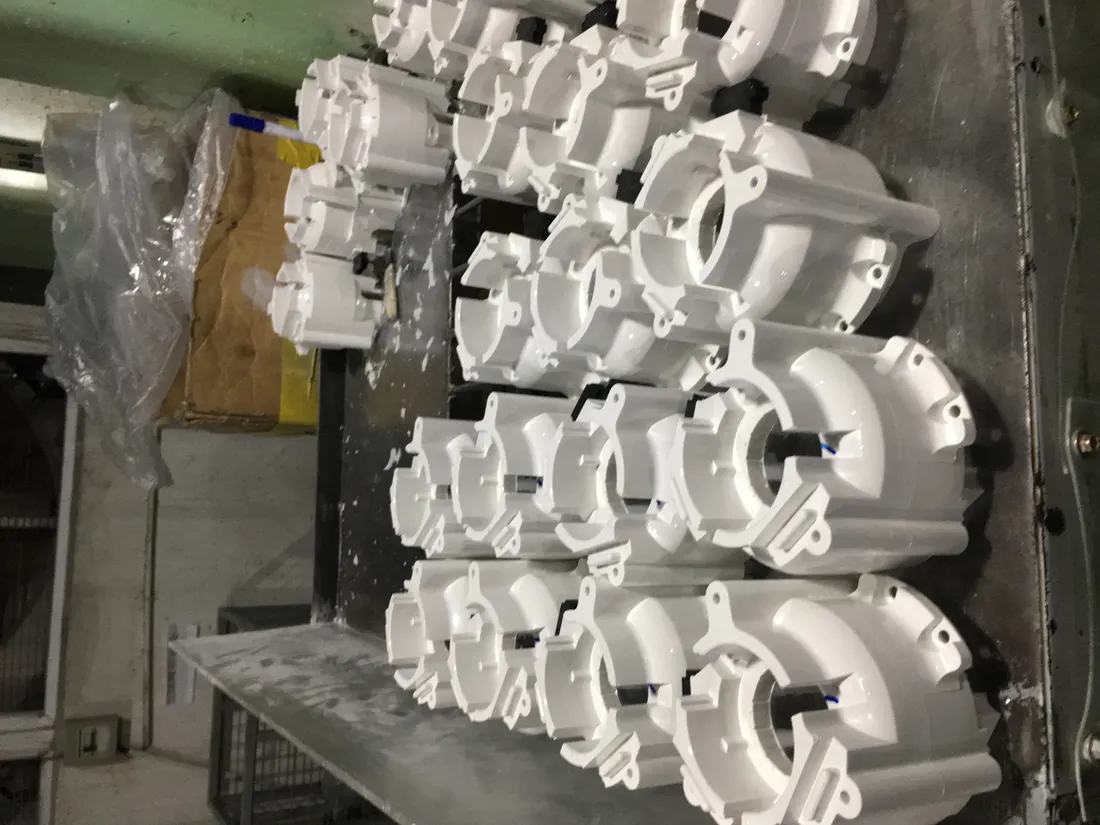
- product drawing or sample photos
- projected area and expected part weight, if available
- BMC or DMC material name and data sheet
- cavity count and mold dimensions
- mold heating method and curing notes
- insert details, if the part includes metal or electrical components
- part release, trimming, cleaning, and collection method
For thermoset molding, a machine recommendation should consider the curing process and mold access together. A machine that looks sufficient by tonnage alone may still be inconvenient if operators cannot remove parts, clean the mold, or control the cycle sequence reliably.
Machine Configuration Discussion
For a 250-ton BMC / DMC project, Deboge would review both clamping structure and working access.
Vertical clamping helps keep the mold closing direction aligned with gravity and can be useful for molded components that need stable mold positioning. A rigid platen structure helps reduce movement at the parting line during clamping and curing. This matters because flash, incomplete cure, and parting-line variation can become production issues when the mold, material, and process window are not reviewed together.
Table configuration depends on how the operator or automation system interacts with the mold:
- Fixed platen: suitable when the part can be removed directly and mold access is simple.
- Slide table: useful when the lower mold area needs to move outward for cleaning, loading, inspection, or part removal.
- Higher-tonnage review: needed when projected area, cavity count, or material flow creates a larger clamping requirement.
The final machine path should be confirmed from real product and mold details.
Practical Risks to Review
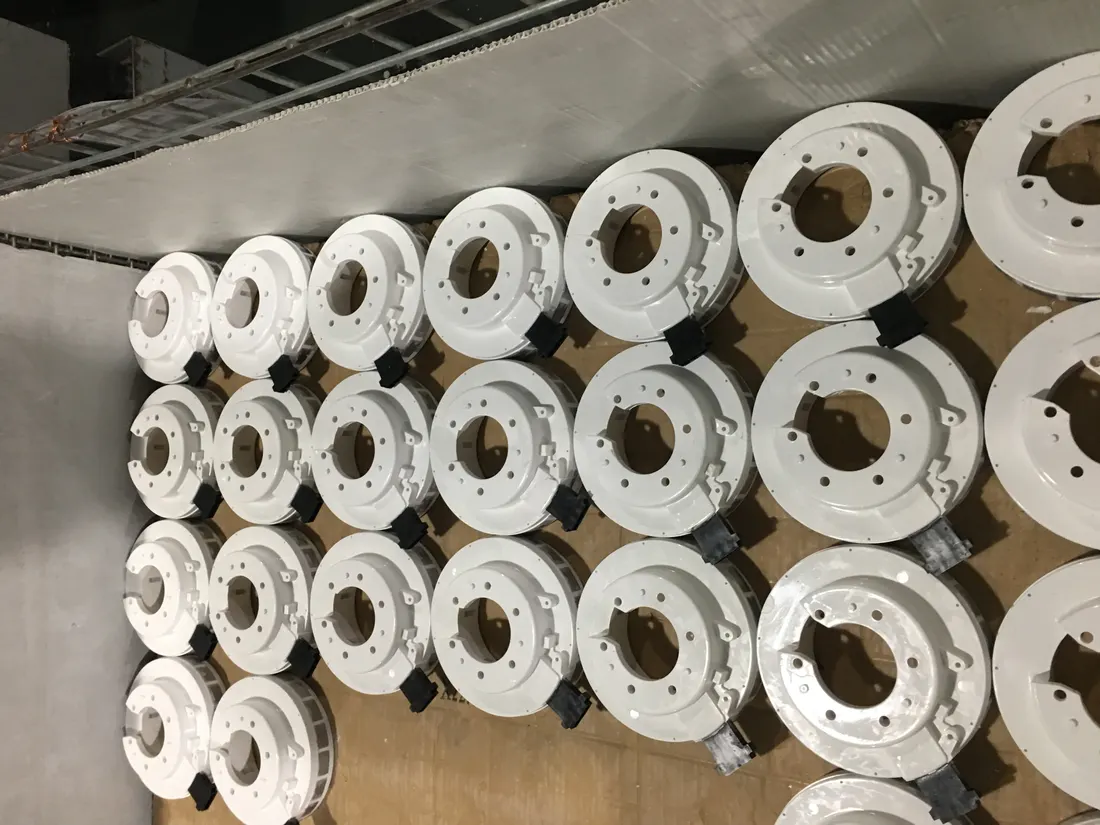
BMC and DMC molding can involve flash, incomplete filling, incomplete cure, material buildup, part sticking, and trimming work after molding. These issues are not solved by increasing tonnage alone.
Before confirming a machine, the project team should discuss:
- where flash is most likely to appear on the part
- whether the mold requires frequent cleaning
- how sensitive the material is to residence time and temperature
- whether operators can remove hot or cured parts safely
- whether part collection could damage thin edges or inserted components
- what evidence is needed from mold trial and sample production
This review gives your team and Deboge a clearer starting point before pricing, mold discussion, and factory visit planning.
What This Case Means for Similar Projects
The useful lesson from this case is simple: a BMC / DMC machine should be selected around the thermoset workflow. The question is not only whether the machine can close the mold. It is whether the complete process - feeding, injection, heating, curing, release, cleaning, and collection - can be repeated in a stable way.
If you are preparing a BMC or DMC project, send Deboge the product drawing, material data, mold concept, part-removal method, and target output. Deboge can then review whether a standard vertical machine, higher-tonnage platform, fixed platen, or slide-table configuration is the better starting point.
Related Reading
Related Reading
Have a similar application?
Contact Deboge engineering to discuss your production requirements and machine configuration.