
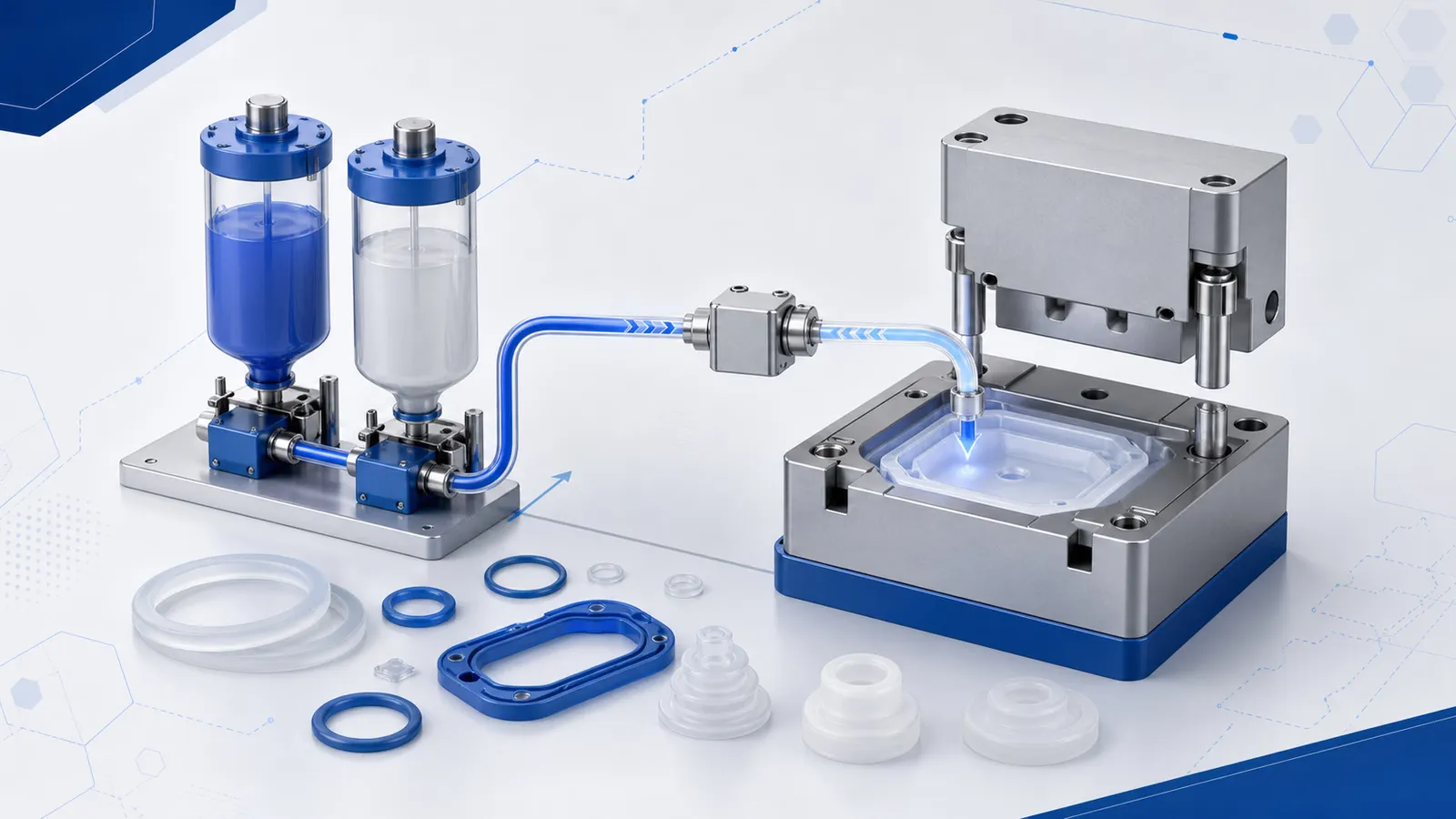
Temperature Instability in Molding Production: What to Review
Diagnose temperature instability by checking heater zones, mold temperature control, material drying, startup conditions, sensor feedback, and alarm history.
2026-07-12 - 8 min diagnostic read - Category: Process Issues
Temperature instability affects flow, curing or cooling behavior, part appearance, cycle stability, and material condition. It may involve barrel zones, nozzle area, mold temperature control, heaters, thermocouples, sensors, or startup conditions.
Quick Answer
Identify the affected zone first. A barrel zone, nozzle zone, mold zone, and material drying issue lead to different checks. Record actual and set values over time before changing multiple temperature settings.
What You May See
- Actual temperature does not stay near the set value.
- Temperature alarms appear during warm-up or production.
- Part defects change with startup time, pause time, or mold temperature.
- Material flow, surface finish, bubbles, burn marks, or short shots appear with temperature drift.
- One zone or one mold area behaves differently from the others.
Likely Cause Areas
- Heater, thermocouple, wiring, or control output may be unstable.
- Mold temperature control may have flow, sensor, or circulation issues.
- Startup may begin before the machine and mold reach stable condition.
- Material drying or feed temperature may change the process response.
- External air movement, cooling water condition, or long pauses may change heat balance.
- Thermoset, LSR, and engineering plastics have different heat behavior that must be reviewed by material type.
Safe Checks Before Adjustment
Stop automatic operation if movement, alarm, guarding, or operator safety is uncertain. Do not place hands in the mold, table, injection, or guarded area while movement is possible. Use photos, controller screenshots, cycle logs, and safe observation before changing several settings.
Diagnosis Path
- Record which zone is unstable and whether the actual value is high, low, or swinging.
- Capture screenshots of set value, actual value, alarm message, and time.
- Check whether instability appears during warm-up, running, pause, or material refill.
- Review mold temperature control condition and circulation if the part defect is mold-area related.
- Check material drying, hopper condition, and any material change.
- Compare temperature instability with defect timing and cycle variation.
- Ask qualified personnel to inspect heaters, sensors, wiring, and control components when alarms repeat.
- Keep one controlled change at a time and record the result.
Evidence to Collect
| Check | Why It Matters | Evidence to Collect |
|---|---|---|
| Affected zone | Each zone has different possible causes | Controller screenshots with set and actual values |
| Timing pattern | Warm-up, pause, and running issues point to different checks | Time log and alarm history |
| Part symptom | Defects show whether temperature affects production output | Part photos linked to time and zone |
| Material state | Material condition changes heat and flow response | Drying record, batch, feed notes |
| Mold temperature condition | Mold imbalance affects cooling or curing and release | Mold controller readings and circulation notes |
What Not to Change Too Quickly
- Do not change all temperature zones together without knowing which zone is unstable.
- Do not ignore repeated temperature alarms because parts look acceptable for a short time.
- Do not inspect electrical or heater components unless qualified to do so.
- Do not start final evaluation before warm-up and stabilization are documented.
When to Contact Deboge
Contact Deboge when temperature instability repeats, appears with alarms, or affects part quality. Send zone screenshots, alarm history, material and drying records, mold temperature notes, machine model, and timing pattern.
Related Reading
Related Reading
Related Questions
Can temperature instability affect both appearance and cycle stability?
Yes. Unstable temperature can affect flow, curing or cooling behavior, part removal, cycle time, and visible defects.
What is the first temperature record to capture?
Capture the zone name, set value, actual value, alarm message, and the production state when the issue appears.
Can material drying be related to temperature instability symptoms?
Yes. Drying and material condition can change flow behavior and may make temperature-related defects appear worse or inconsistent.
When should maintenance inspect the machine?
Maintenance should inspect the machine when a heater, thermocouple, sensor, wiring, or repeated alarm condition is suspected.
Need help with this issue?
Send the machine model, material, mold or insert details, defect photos, alarm screenshots, and recent changes. Deboge can review the information and suggest the next diagnostic step.