
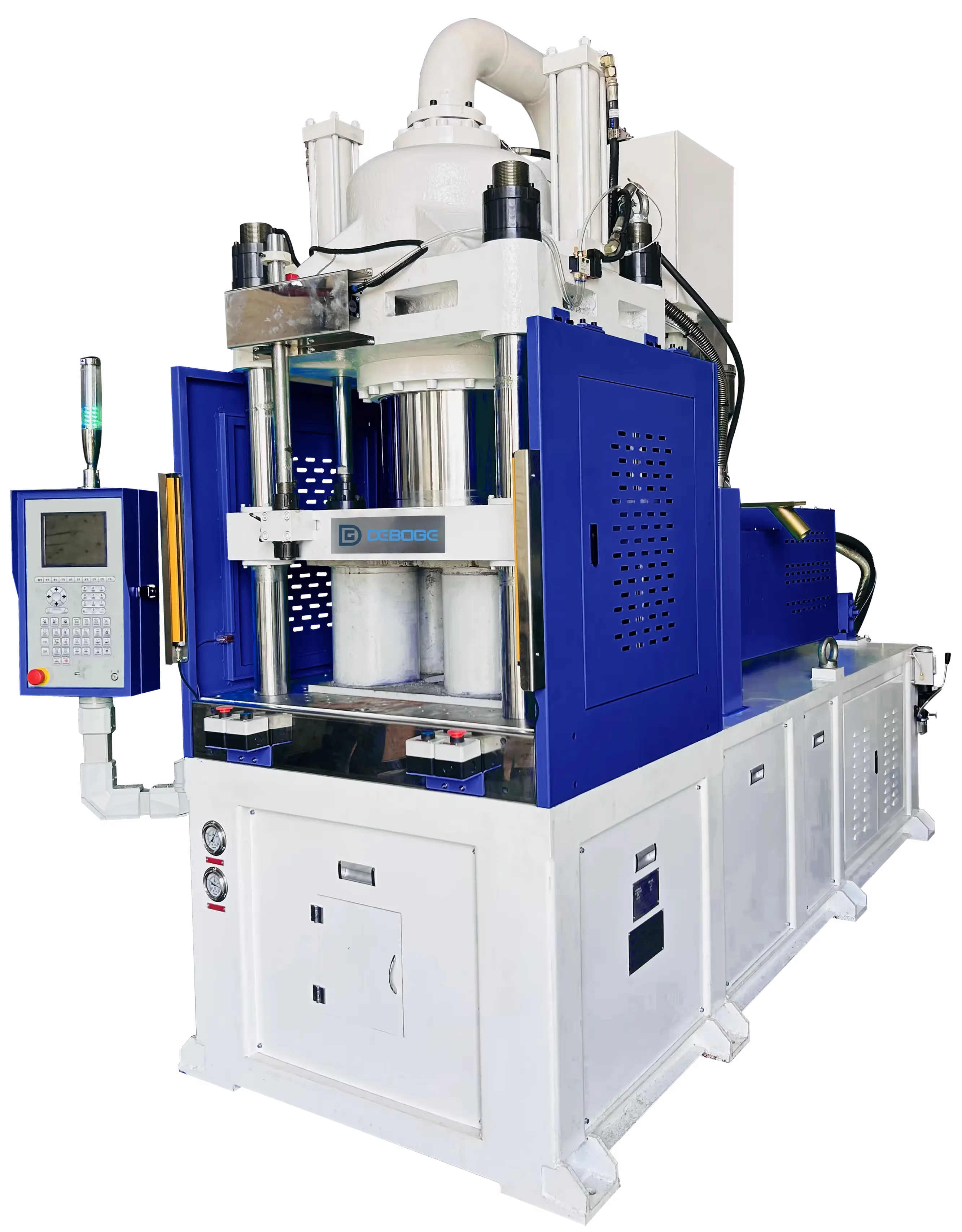
Injection Unit Movement Abnormal: Diagnosis Notes
Review injection unit movement issues by recording alarm information, movement step, material condition, nozzle contact, sensor feedback, and hydraulic or servo symptoms.
2026-07-12 - 8 min diagnostic read - Category: Machine Alarms & Issues
Injection unit movement issues may involve injection forward, injection return, nozzle contact, screw recovery, or movement confirmation. Because these conditions affect both machine safety and part quality, the first step is to record the stopped sequence and avoid unsafe trial-and-error.
Quick Answer
Record the alarm, movement step, nozzle state, material condition, and pressure or recovery behavior. Do not keep cycling the machine if movement is abnormal, if material leaks at the nozzle, or if the controller reports repeated movement alarms.
What You May See
- The injection unit does not move forward or return as expected.
- Nozzle contact is unstable or material leaks near the nozzle.
- Screw recovery, injection forward, or injection return alarms appear.
- Pressure fluctuation, short shot, flash, or shot weight variation appears together with movement issues.
- The problem appears after mold change, nozzle cleaning, material change, or parameter adjustment.
Likely Cause Areas
- Nozzle contact position or mold interface may not match the current setup.
- Material buildup, leakage, or cold material may restrict movement or contact.
- Sensor or position confirmation may be missing or unstable.
- Hydraulic or servo response may not match the movement demand.
- Recovery or screw movement may be affected by material feeding and temperature condition.
- Recent mold, nozzle, barrel, or controller setting changes may have altered the sequence.
Safe Checks Before Adjustment
Stop automatic operation if movement, alarm, guarding, or operator safety is uncertain. Do not place hands in the mold, table, injection, or guarded area while movement is possible. Use photos, controller screenshots, cycle logs, and safe observation before changing several settings.
Diagnosis Path
- Stop automatic operation and record the controller alarm screen.
- Identify whether the issue occurs during injection forward, pressure hold, recovery, nozzle contact, or return.
- Check visible nozzle area, material leakage, and mold contact condition from a safe position.
- Record material condition, temperature alarms, and recovery behavior.
- Check recent mold change, nozzle maintenance, material change, or parameter adjustment.
- Ask qualified personnel to review sensor state, movement confirmation, hydraulic or servo condition, and nozzle alignment.
- Compare part defects with the movement issue to see whether production output is affected.
- Send evidence to support if the alarm repeats or movement behavior is not clear.
Evidence to Collect
| Check | Why It Matters | Evidence to Collect |
|---|---|---|
| Alarm and sequence step | Shows where the unit stopped | Controller screenshot and written movement step |
| Nozzle condition | Nozzle contact and leakage can affect movement and part quality | Safe photos from outside moving areas |
| Material and temperature state | Material condition affects recovery and nozzle behavior | Material record and temperature screenshots |
| Part quality link | Movement issues may appear as process defects | Defect photos and part weight notes |
| Recent setup changes | Mold, nozzle, or settings often change movement conditions | Change record and maintenance notes |
What Not to Change Too Quickly
- Do not stand near the nozzle or mold interface during movement testing.
- Do not continue cycling if material leaks or movement sounds abnormal.
- Do not change movement settings without recording the original sequence state.
- Do not ignore part defects that appear with injection unit alarms.
When to Contact Deboge
Contact Deboge when injection unit movement alarms repeat or connect to pressure, recovery, or part defects. Send alarm screenshots, movement step, nozzle photos, material and temperature records, machine model, and safe video if available.
Related Reading
Related Reading
Related Questions
Can injection unit alarms affect part defects?
Yes. If injection movement, nozzle contact, or recovery is unstable, the same condition may appear as pressure fluctuation, short shot, flash, or shot weight variation.
What should be checked before clearing the alarm?
Record the alarm, movement step, nozzle condition, material state, temperature state, and any recent mold, nozzle, or setting change.
Can material condition affect injection unit movement?
Yes. Feeding, recovery, cold material, leakage, or temperature instability can affect movement behavior and pressure response.
Who should inspect repeated movement alarms?
Qualified personnel should review movement confirmation, nozzle contact, sensors, hydraulic or servo response, and related safety conditions.
Need help with this issue?
Send the machine model, material, mold or insert details, defect photos, alarm screenshots, and recent changes. Deboge can review the information and suggest the next diagnostic step.