
Dental Floss Toothpick Molding: What to Check Before Choosing a Machine
Review how small-part handling, mold access, part collection, and table configuration affect a dental floss toothpick molding project.
2026-07-13 | 8 min read | Industry: Personal care products
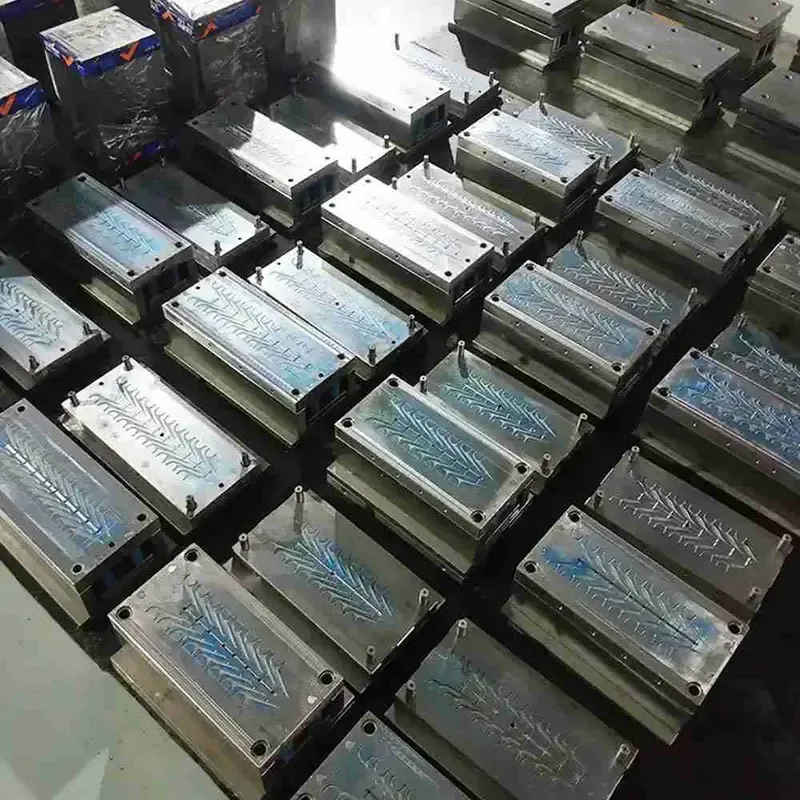
Dental floss toothpicks look like simple personal care products, but the molding project should not be judged by part size alone. The part is light, thin, and often produced with many cavities. That makes mold layout, ejection, collection, and production rhythm important from the beginning.
This case is useful when your team is preparing a dental floss toothpick project or a similar small personal care product. The right machine path depends on the product drawing, mold structure, material, cavity count, handling method, and target output.

Project Situation
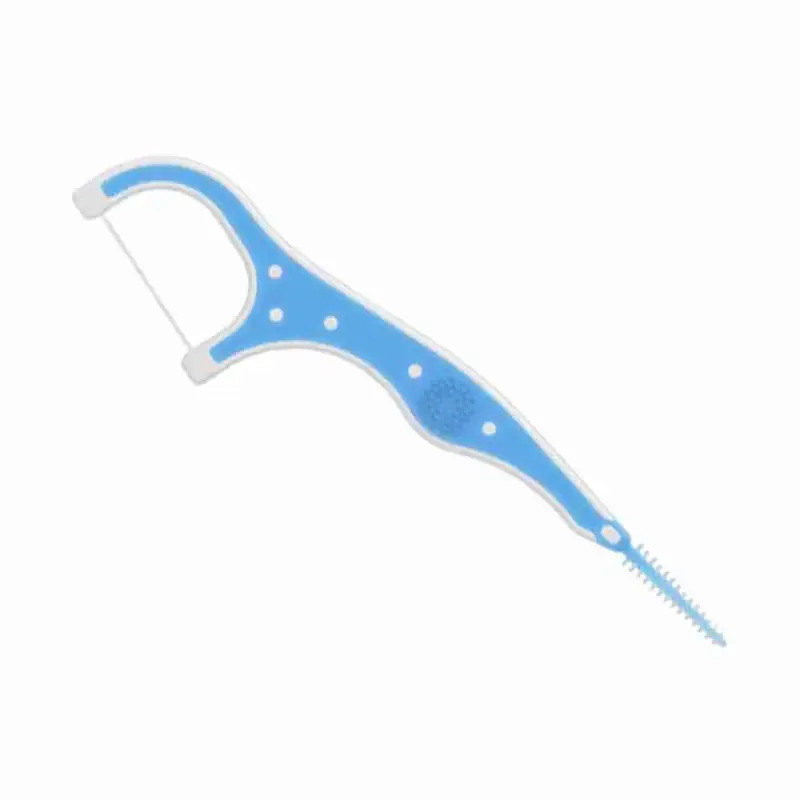
A dental floss toothpick project usually involves a slim handle, a toothpick end, and a floss-holding geometry. The part may have thin sections, hook-like features, or areas that are easy to deform if ejection and collection are not planned well.
Your team needs to answer several practical questions before choosing a machine:
- How many cavities will the mold use?
- What material will be molded?
- Does the part include floss, thread, insert loading, or any pre-positioned element?
- Will parts be removed manually, by fixture, by robot, or by a collection system?
- Does the mold need open access for cleaning, inspection, or part release?
- How will finished parts be collected before packing?
The machine recommendation should follow these answers. A product name alone is not enough.
Why Mold Access Matters
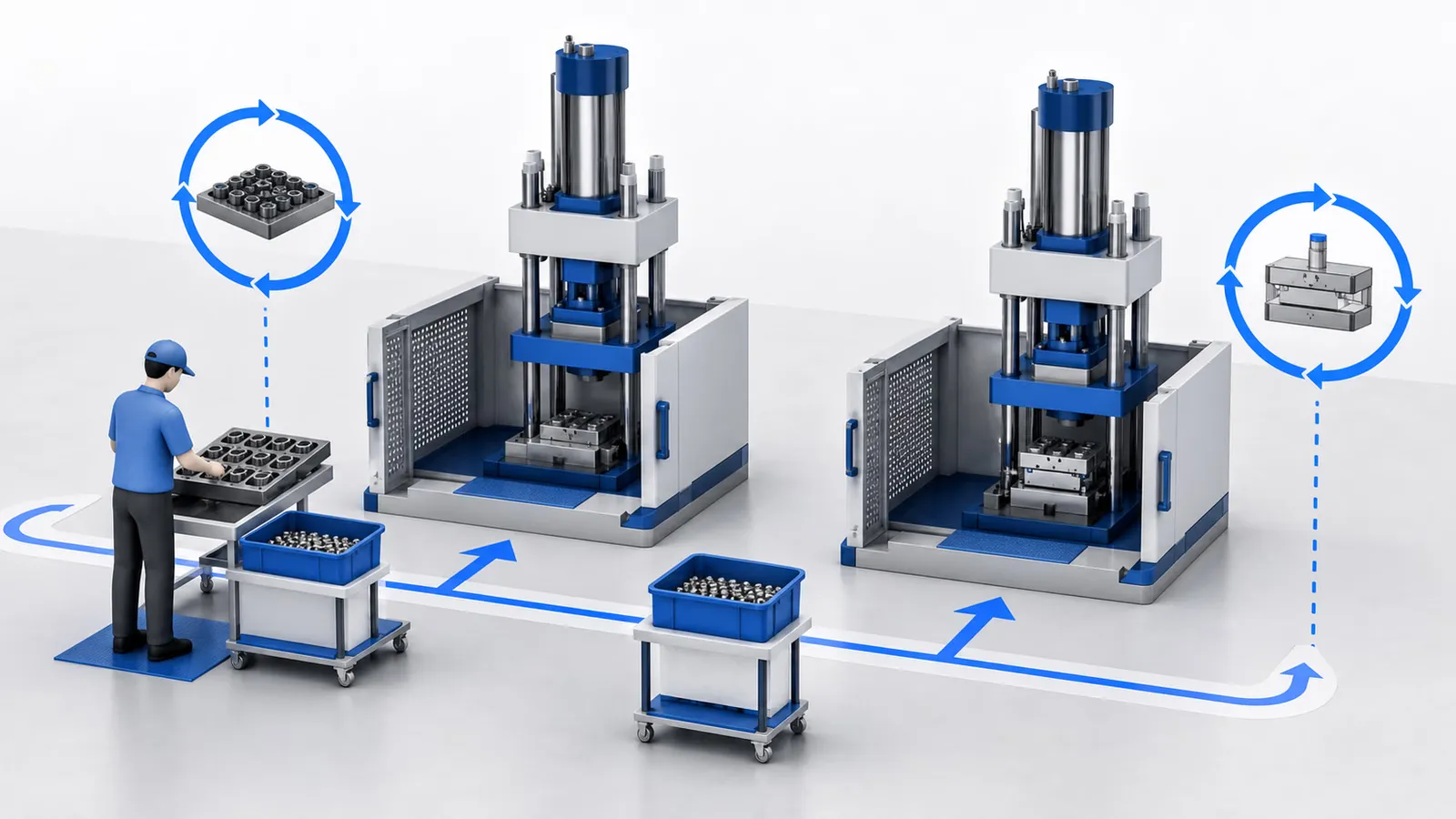
Small parts can create a fast cycle expectation, but the operator or automation system still needs a repeatable way to remove parts, clear the mold area, and keep the production rhythm stable. If the lower mold is difficult to reach, the cycle may slow down even when the injection and clamping movement are stable.
Different table configurations can be discussed:
- Fixed platen: suitable when the mold is simple and part removal can happen directly in the mold area.
- Slide table: useful when operators need better access to the lower mold for part removal, inspection, or cleaning.
- Rotary table: useful when loading, molding, and unloading should be separated into a repeated rhythm.
For small personal care products, the useful selection question is often not "Can the machine mold this part?" but "Can the operator or automation system remove and collect the parts without slowing the cycle or damaging thin features?"
What to Prepare
Deboge can review a dental floss toothpick project more accurately when you provide a clear project package. The most useful information is not only the product name, but the details that affect mold access and handling.
Prepare:
- product drawing, product photos, or physical samples
- material information
- expected cavity count or mold concept
- whether the part has floss, thread, insert, or special handling requirements
- planned removal method: manual, fixture, robot, conveyor, or collection box
- hygiene, packing, or clean handling requirements
- target output and working shift expectation
This information helps separate a simple machine inquiry from a real production workflow discussion.
Machine Configuration Discussion
If the mold layout is straightforward and part collection is simple, a standard vertical molding machine may be enough to review. If the lower mold requires open access, a slide table can make the workflow easier for operators. If your team wants a more continuous production rhythm, a rotary table may be considered, but only after confirming mold layout, part removal, and automation boundary.
The machine should also be discussed with enough room around the mold area for safe operation, inspection, and routine cleaning. In personal care products, production quality is affected not only by the molded shape but also by how parts are handled after release.
What This Case Means for Similar Projects
This case points to a workflow-based machine review. The machine should not be selected only because the product is small. The better starting point is the full production path: mold access, part release, collection, operator work, and future automation needs.
If you are planning a dental floss toothpick or similar personal care product, send Deboge the product sample, material, mold concept, and target output. Deboge can then review whether fixed platen, slide table, rotary table, or an automation-ready configuration is the better direction.
Related Reading
Related Reading
Have a similar application?
Contact Deboge engineering to discuss your production requirements and machine configuration.